Hamlet… IN SPACE!
In his book, Theater of the Unimpressed, Jordan Tannahill coins a term: Museum Theater, which he defines as “productions of plays that are content to simply be relics from the past. History lessons…, the killing and stuffing of once-mighty plays into theatrical taxidermy”. Broadway spits out another production of Glengarry Glen Ross, The Crucible, and Who’s Afraid of Virginia Woolf? like clockwork every few years, while across the pond the Globe Theater in London was directly conceived as a kind of theater museum, a place where today’s audiences could experience Shakespeare’s work as it was experienced at the time. A 2016 revival of My Fair Lady at the Sydney Opera House (directed by Julie Andrews herself) went so far as to exactly replicate the original’s production design from sets to costumes to lighting.
In response to criticism of this kind of theater a variation upon it has emerged, as the savvier artistic directors and producers search for a middle ground between the critical mandate for new and innovative theater and the financial security of known IPs. (It’s perhaps worth noting that the aforementioned production of My Fair Lady sold more tickets than any other in the history of the Sydney Opera House.)
I call this kind of production Hamlet in Space, named for the dialogue I imagine as its genesis:
ARTISTIC DIRECTOR
We need one more production to round out this season.
PRODUCER
Hmmm… We haven’t got a Shakespeare yet.
ARTISTIC DIRECTOR
Okay, what about… Cymbeline?
PRODUCER
Nobody’s heard of Cymbeline. Josh O’Connor’s not gonna play Cymbeline.
ARTISTIC DIRECTOR
He’s too young to- Okay fine, what about The Merchant of V- actually now’s probably not the time, is it?
PRODUCER
How about Hamlet? Everybody loves Hamlet.
ARTISTIC DIRECTOR
Ooh, and Josh O’Connor should definitely play Hamlet. But I don’t have any ideas for a production of Hamlet. And we can’t just do a straight production of it, everyone does that. Our subscribers expect more interesting work from *THEATER COMPANY REDACTED*.
A long pause.
PRODUCER
What about Hamlet… in SPACE?
ARTISTIC DIRECTOR
Hmmm. That could be interesting… Something about isolation, and being separate from the real world, looking down at it… Still, I’m not sure it totally works. Let me think-
PRODUCER
Huh? What are you saying? Whatever, I just sent out the email: Hamlet in Space opens in 3 months. Oh, and Josh is filming a movie for two of them. Good luck!
In other words, Hamlet in Space refers to a new production or adaptation of a recognizable text written more than… let’s say 50 years ago or so, with something unique (and, more importantly, marketable) stapled to its forehead.
a. A strikingly different setting, whether location or era based (sometimes as a framing device, sometimes as the entire production).
Macbeth in WW2; Othello in 2000s Iraq; Ubu Roi presented as the adolescent daydreams of an angry French teen whose parents are having a dinner party.
b. A compelling visual and/or theatrical style.
A Midsummer Night’s Dream with circus performers; A Doll’s House with no props; The Tempest but Ariel is on a screen.
c. An unorthodox casting choice, which usually involves either gender-bending, race-bending or character doubling. (Celebrity casting alone doesn’t count.)
Uncle Vanya but everyone is Andrew Scott; The Tempest but it’s Sigourney Weaver playing ProsperA; Death of a Salesman but they’re a black family.
d. A modern reimagining by a contemporary playwright that has something to say about the original property. (West Side Story doesn’t count, but & Juliet does.)
Fat Ham, A Tempest, A Doll’s House Part Two, John Proctor is the Villain
e. A combination of the above.
I should also clarify that, just as setting your production of Hamlet in space doesn’t automatically make the production a Hamlet in Space, just because a production fits into the genre of Hamlet in Space, does not mean it’s going to be bad. There’s nothing inherently wrong with any of these approaches to theater-making, and in fact some of the examples listed represent the best theater I’ve ever seen. The problem is a growing tendency for productions to be devised concept-first, seemingly more worried about the poster than the production, and left with no time to explore or develop the concept and find out what, if anything, is underneath.
Take the 2025 production of The Picture of Dorian Gray for example, in which Sarah Snook played an astonishing 26 roles. Central to the production were a collection of moving screens, onto which were projected live feeds from onstage cameras as well as pre-recorded footage, all of which allowed Snook to play the narrator and all the characters in a retelling of Oscar Wilde’s only novel, The Picture of Dorian Gray. I mention the narrator because, though they appear relatively rarely, they are the character with which the production begins and ends. They also represent the central problem with the production.
Let’s back up a bit: what is The Picture of Dorian Gray about? Well, plot-wise, it’s a story about a beautiful young man in 19th-century England who, upon seeing a finished portrait of himself, declares that he would sell his soul if he could stay as young and beautiful as he is now and the painting would age in his stead. His wish is granted, and he lives an immoral and hedonistic life for decades, with the only fallout the aging and scarring of the portrait he keeps locked away from view. There’s a bunch of plot after that but all you really need to know is he fucks up a bunch of people’s lives, murders the painter with a knife so he can’t tell everyone his secret, and eventually stabs the painting with the same knife. When his servants enter the room, they find the body of an impossibly old man with a knife through his heart, in front of a painting of a beautiful young man, totally intact. Good, right?
Now back to the narrator: the narrator is the first person to talk to us, setting the stage with the first lines of the novel. They are clearly very excited, almost breathless, to tell us this story. Soon the telling is being done by the characters Snook is playing (or at least by the narrator dressed as whichever character she was playing last), and Snook as the narrator is relegated to occasionally appearing on-screen to do this shtick where they think the next section of narration is their line but so does the Snook on stage, and they argue about it. (This happens twice, if I remember correctly.) Otherwise, their only other appearance is in the final moment of the play: after still-breathlessly reciting the final lines of the novel, they inhale as if to keep talking and are immediately silenced by a blackout.
In Wilde’s original text, the story is relayed to us by an omniscient narrator. Novels, particularly those written in the 19th century, are often narrated by an all-seeing eye with no clear stakes in the action of the story; to question this is almost like questioning why a novel is written in paragraphs. Narrators in theater are much more complicated. When a play has a narrator, the world of the play is made fundamentally less real. Narrators talk to the audience, and define the plot as a story being told to us rather than a situation unfolding before us. A living, breathing narrator implies a living, breathing motive: Why are they telling us this story? What does it do for them, and why do they need us to hear it? The reason can be grandiose or minor, altruistic or selfish — In Our Town, The Stage Manager wants to explain something about life and death, about America and collective memory; in The Drowsy Chaperone, Man in Chair is sharing his favorite musical with us as a way to keep his memories alive; in Brighton Beach Memoirs, Eugene is simply a talkative and imaginative kid with little to no recognition of what he should and shouldn’t say to people.
Dorian Gray retained the narrator from the novel, but didn’t reckon with the fact that doing so added a whole new character to the story, one that I would argue has the deepest internal life of any of them. The production used doubling and on-stage quick changes to stylishly conjure each new character, but didn’t consider how an audience would experience them as all being played by a single person and, more importantly, that it would want to know why.
I want to be clear: I was incredibly impressed by this production both in terms of the technical complexity and Snook’s powerhouse performance. Seriously, the woman is amazing, and the uses of video ranged from delightful to outright astonishing. But there’s a difference between impressive and effective. And that tends to be the big issue with a Hamlet in Space: it’s often the result of dozens of majorly talented people doing truly excellent work. But when that work is in service of a half-baked idea, there’s no amount of talent that can bake it whole.
Now, we’ve gone over what Dorian Gray is about, but what’s it about about? Vanity? Morality? Homoeroticism? A different theme that isn’t listed on the Wikipedia page? Kip Williams, the production’s writer and director, says that his Dorian Gray is about “gender, […] sexuality, [and] the performance of identity”. But, beyond the choice to cast a female actor as all the characters in a story populated mostly by men (and I guess just the fact of Oscar Wilde’s queerness?), I really don’t see how the production could be read that way.
We’re back in the land of conjecture here, but in my mind it went more like this:
*ring ring*
PRODUCER
Hey, you’re the director who uses screens and video footage, right? What’s something you could adapt with a lot of screens? Preferably something that can be worked on during COVID, because as you know it is the year 2020.
KIP WILLIAMS
Yeah, we’re probably gonna want to do something with one unmasked actor and a bunch of masked stagehands if we want to rehearse properly while still social distancing…
PRODUCER
Right, exactly. Screens, one actor… something about self-obsession?
KIP WILLIAMS
I mean, I’ve always loved The Picture of Dorian Gray. Haven’t read it in a while, but-
PRODUCER
Perfect! That’s sorted.
KIP WILLIAMS
But I mean, I’m not sure if-
*dial tone*
Dorian Gray’s fatal flaw is his vanity, the belief that his beauty, and therefore he, is superior to all others. This production seems to equate vanity with self-obsession, in an attempt to draw out the kind of Black Mirror-esque themes that every modern artwork has to comment on, criticizing the rampant overuse of photo editing and how the ubiquity of screens stokes the fires of our modern self-worship, et cetera, et cetera. But Gray’s vanity is less the constant preening self-attention of an Instagram model than it is the entitlement to do anything he feels like, bolstered by a perceived superiority that, yes, derives from his external beauty.
Furthermore, the self-obsession implied by a one-actor production, like that implied by a narrator, is of a third kind, that of the know-it-all, either because they are actually omniscient or just believe they are. And there’s the rub: people who know everything make really boring characters, especially when there’s nobody and nothing there to confound this certainty. At the end of the play we have watched someone pour themselves into the performance of this story over two hours, playing all these characters with this seemingly boundless energy… But why? They’re the only quote-unquote “real” person there, the one telling us this story, the only one who we can imagine will still be there when the lights go off. The other characters are puppets: they disappear when the narrator removes their costume, placed back in their box for next time. But here is the costume they cannot take off, the version of themself who started this whole mess, who has decided to tell us this story even as it seems to drive them to a kind of insanity. They’re the only one who transcends their identity as “a character” to become a whole person that we might relate to, but they seem to have been given the least amount of thought. And this is to me what happens when a production puts the cart before the horse, under-thinking a concept into a gimmick — “What if Hamlet but… in space?”
Why does this happen? Well, no prizes for guessing what I think if you know me: it’s capitalism! Sorry, I know, I know. But it’s true: the simple fact is that theater, like any other art, is best conceived through process, allowing for discoveries and complications, tangents and dead ends. Art at its most effective, like life at its most profound, is found in the in-between, in the unique process of its incidence; it can’t be rushed or pre-planned; this is what can make it so expensive, but also what makes it human. Hamlets in Space, though sometimes invigorated by some singular talent in the cast or crew, are fundamentally inhuman products, not so much process as processed, built for purpose and designed for efficiency.
Think of it like a handcrafted bookshelf versus one from IKEA. The IKEA piece is cheaper, lighter to carry, quicker to build (even if you always end up with some extra screws and bolts you’re not sure where to put). If that’s all you can afford, it certainly does its job. But at the end of the day you’ll be left with something flimsy and impersonal that doesn’t really fit with or add to what’s around it, and no way to keep the damn thing from wobbling.
othello is not considered one of shakespeare’s “problem plays”. however, in the years between the play’s writing and now, it has certainly become a problem. drawing on the work of black scholars and intellectuals like ayanna thompson, keith hamilton cobb, w.e.b. dubois and many more, another othello aims not to solve that problem, but to finally present it to an audience that has ignored it for too long.

adapted from preston sturges’ oscar-winning 1941 film of the same name, this in-progress musical aims to start in the risk-free silliness of the screwball comedy, follow sullivan into the idyllic tragedy of a romantic epic before suddenly shifting to a bleak, neorealism-inspired sequence as he finally experiences the true realities of poverty, and soon wishes he hadn’t.
below is the most recent draft of the script… that i’ve remembered to upload here. if you like it, and can write/orchestrate music, drop me a line!
while nine is traditionally cast with 22 women and one man, this production will cast one actress to play (almost) all of the female parts, aided by a combination of prerecording, shadow play, quick changes of both costume and lighting, and puppetry.
a pitch deck – which includes a set design and plan, a preliminary budget/inventory as well as a fuller exploration of the production’s concept – can be read here.
an inflammatorily-titled, less-long discussion of how art that makes you think before it makes you feel is more criticism than art.
an in-depth exploration of how mainstream theater performs its progress on stage with “race-blind” casting, while still allowing creative control to remain majority white, and how their risk-aversion is arresting not only societal but artistic advancement. exploring topics from laurence olivier’s baffling 1965 performance as othello (and pauline kael’s equally baffling rave review), to daniel fish’s 2019 production of “oklahoma”, and beyond!
a semi-fictionalized account of a summer i once spent in colorado, and a portrait of the more ambiguous and important relationships one can have in life, and then let go of. this was a completely individual project, written and illustrated by me alone. I think it turned out pretty good.
a work-in-progress puppet conceived for nine, portraying the main character’s mother in a way that made him child-sized. by pulling the ropes, it is possible to control the sheet so that it looks like a shawl being worn by a giant woman who isn’t there, towering over the seated actor (represented in the model below as a corkscrew). the actor reverts to childhood, the sheet becomes their mother, and they dance with her. as the two dance, she begins to bend lower and lower, before settling on the floor.
look, I’m terrible at coding. I couldn’t figure out how to make one of these not open, so now it does. sue me. it’s supposed to be a header. everything below this is student work. go away.
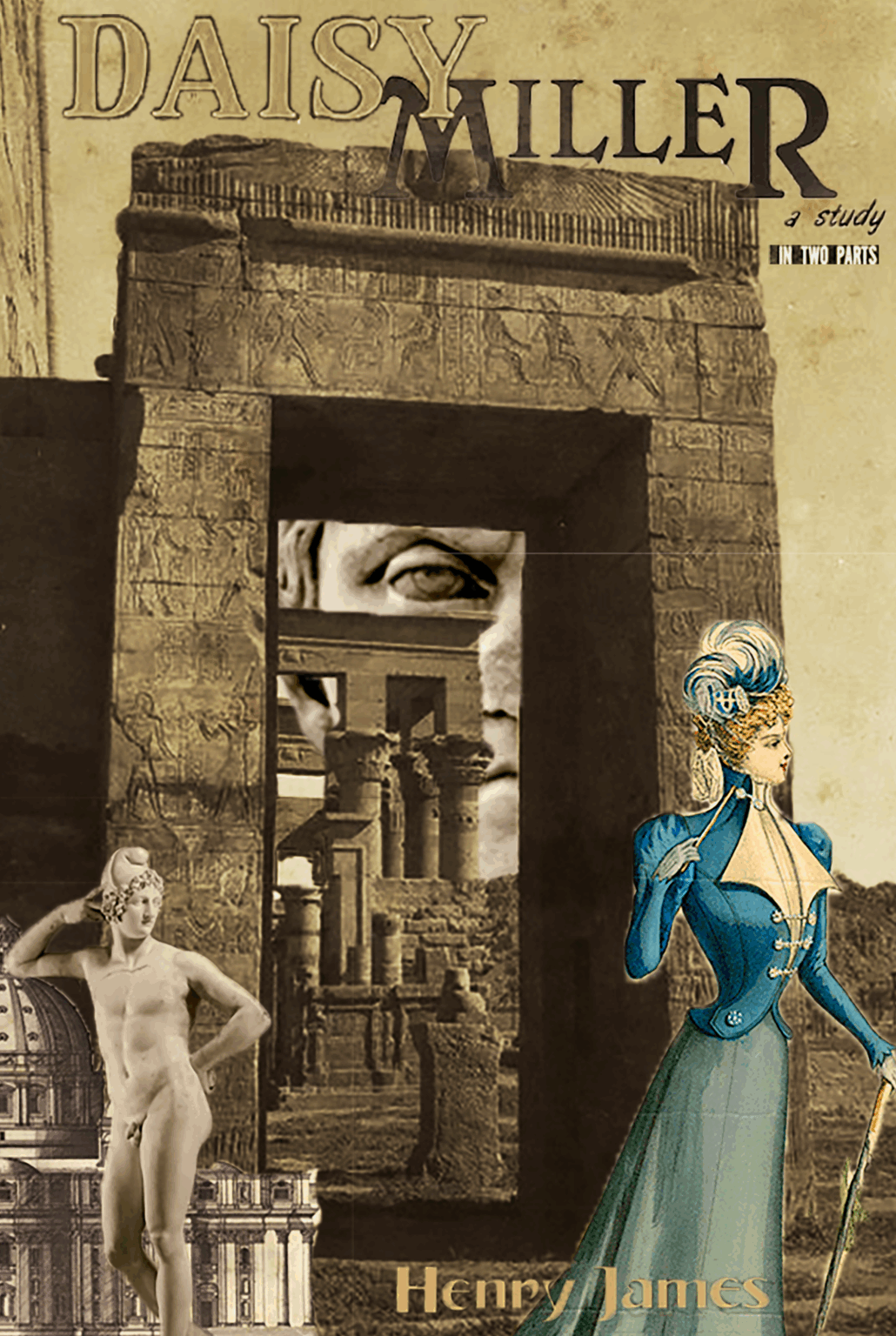
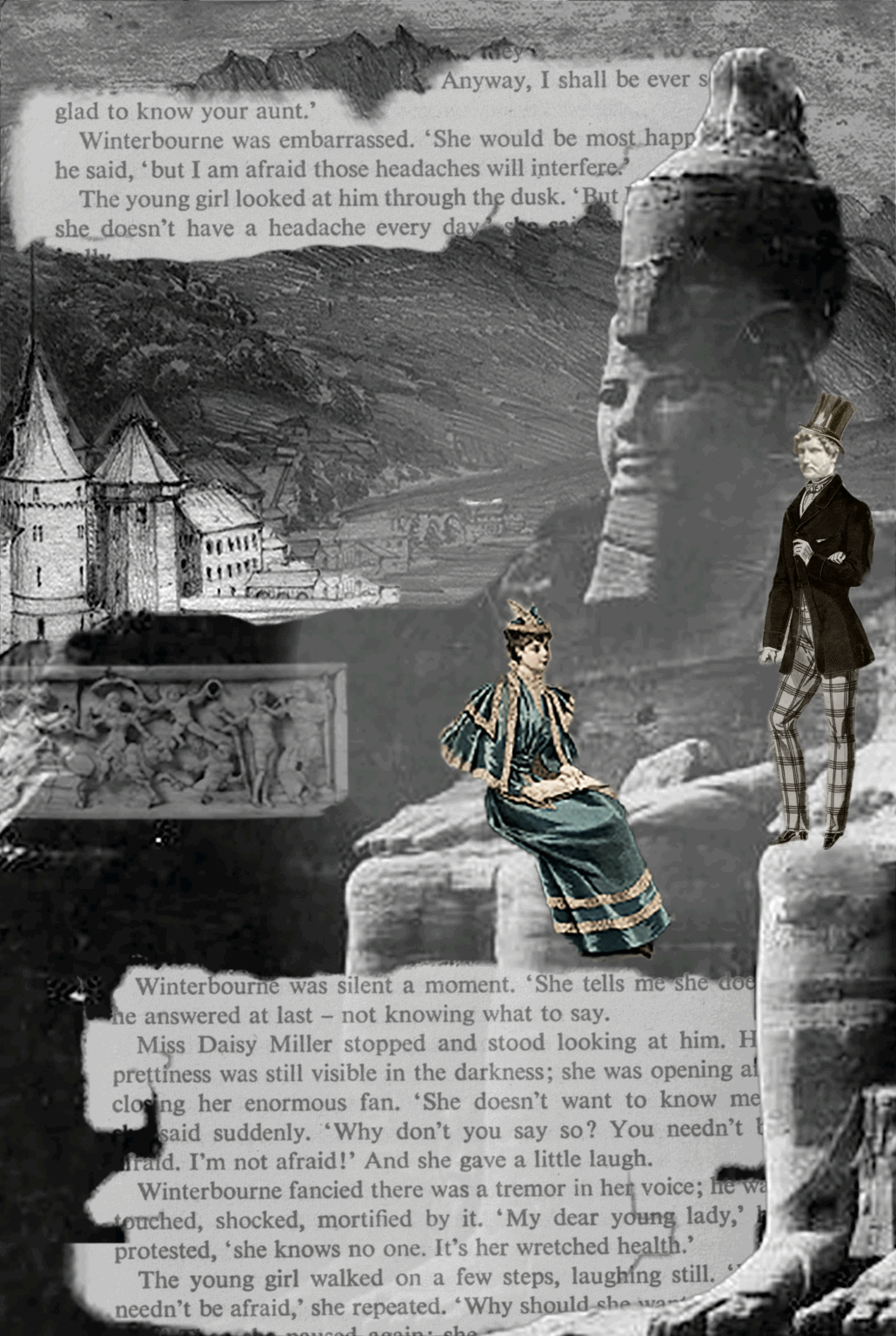
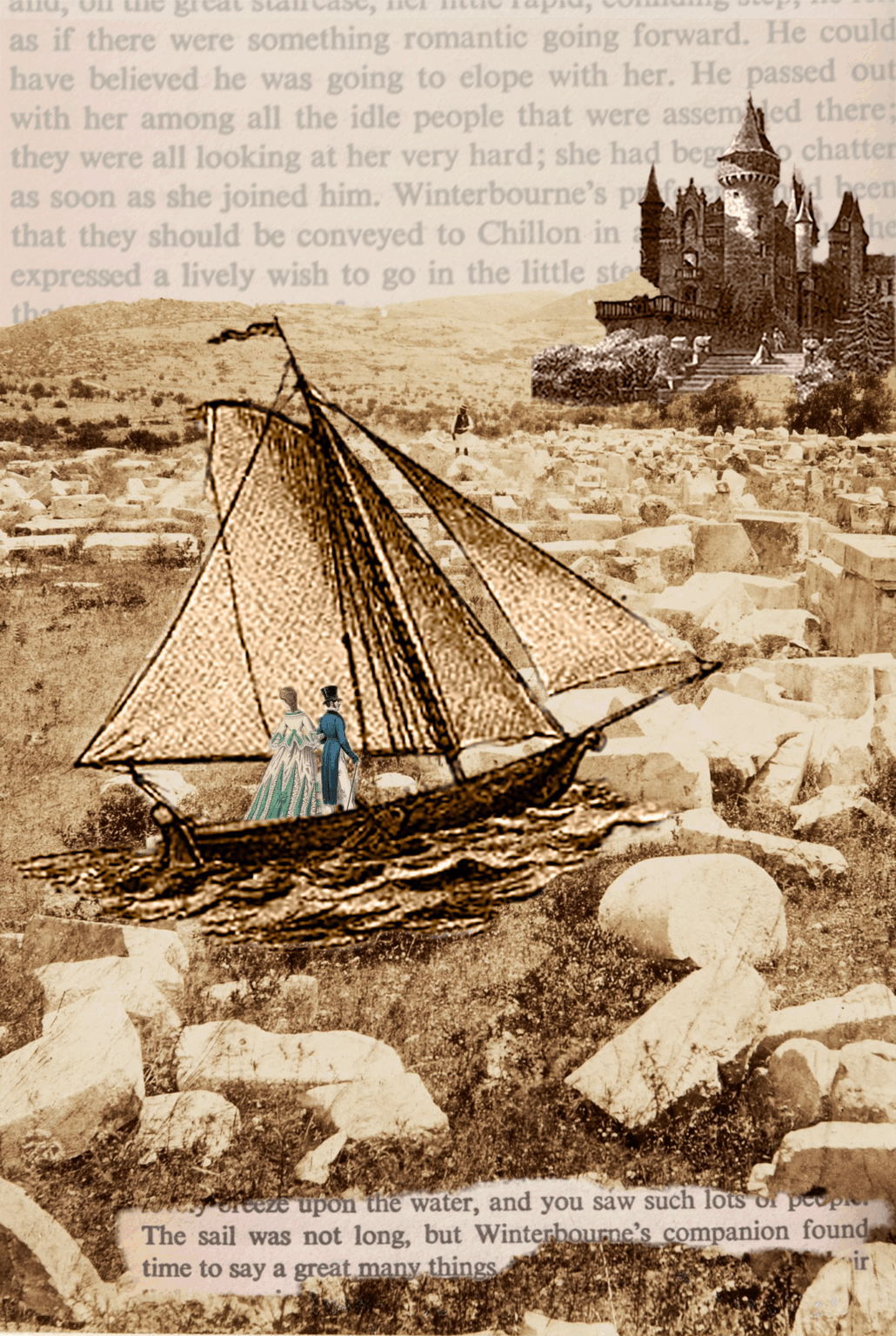
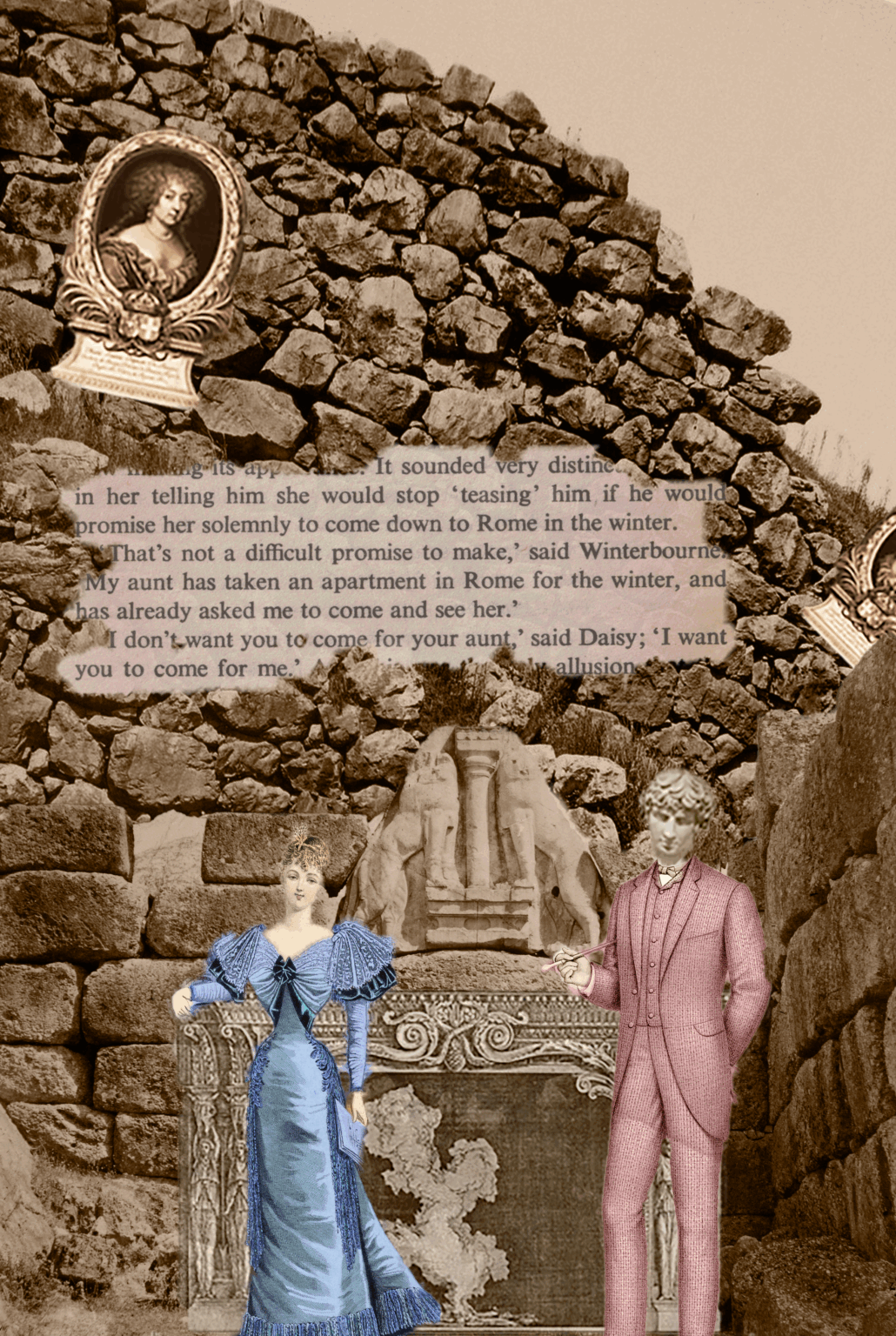
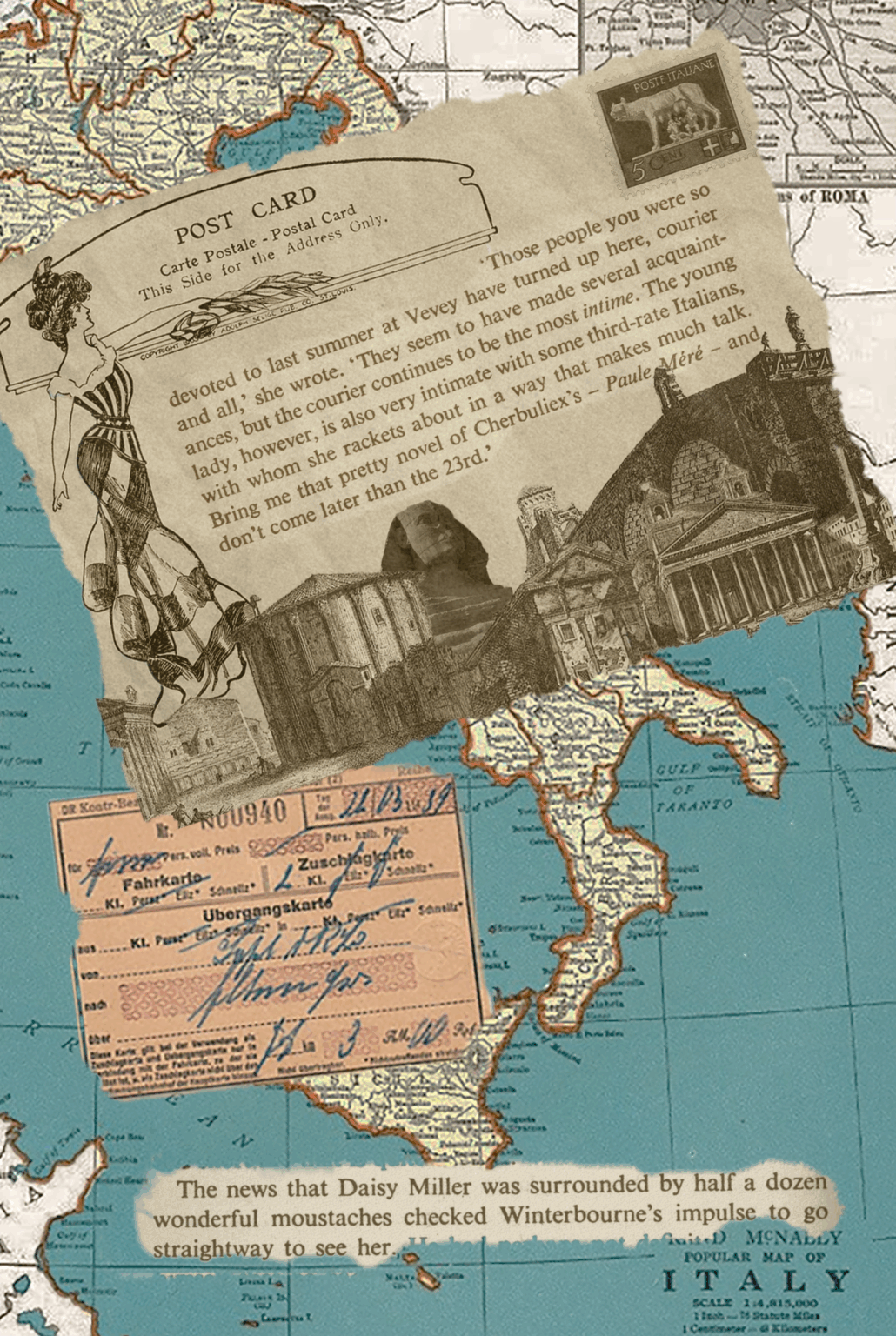
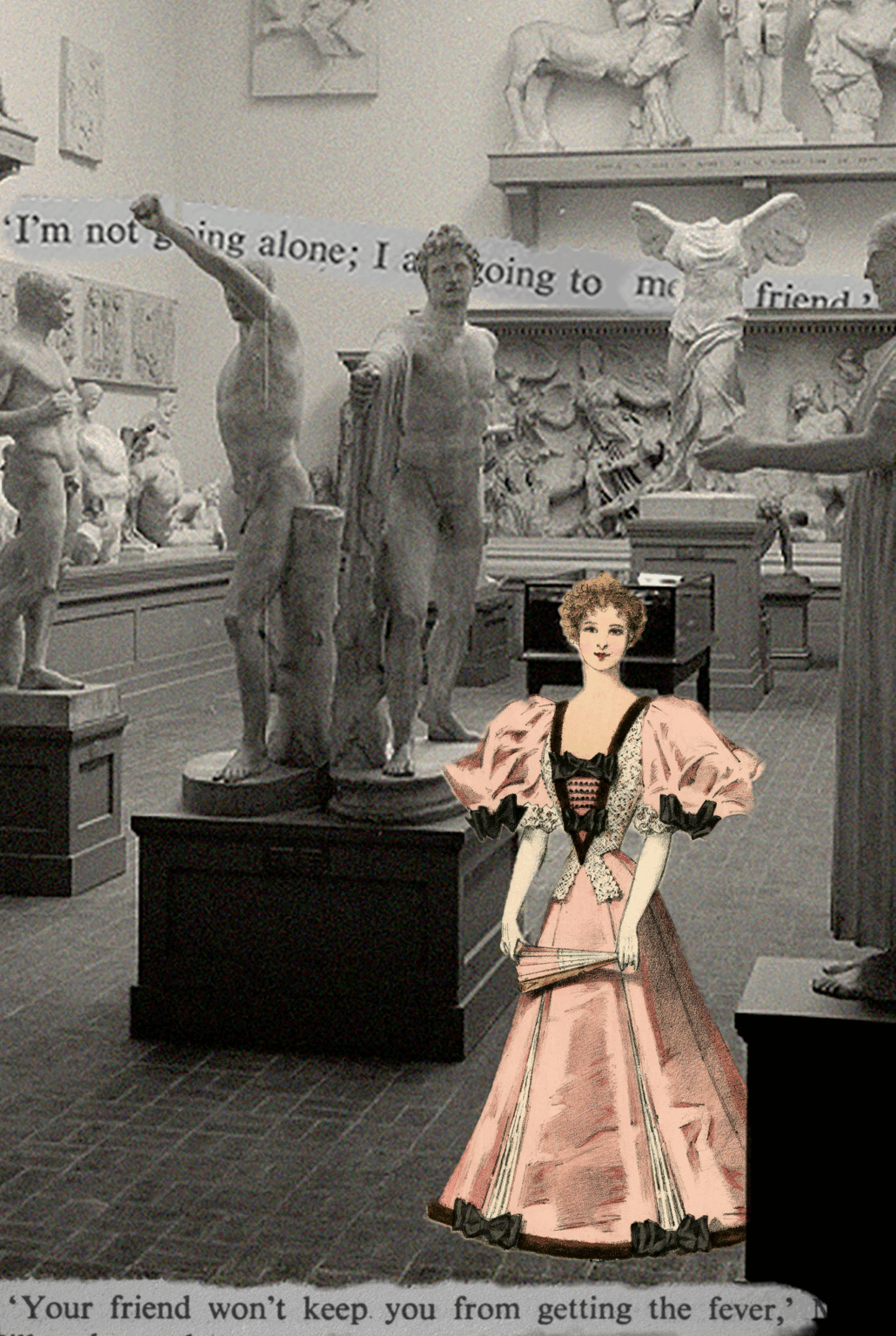
Henry James’ 1878 novella Daisy Miller – A Study in Two Parts is an example of James’ career-long struggle with his trans-Atlantic identity as a US-born Brit, and the tug-of-war between the promised freedom of America and the comfortable formality of Europe.
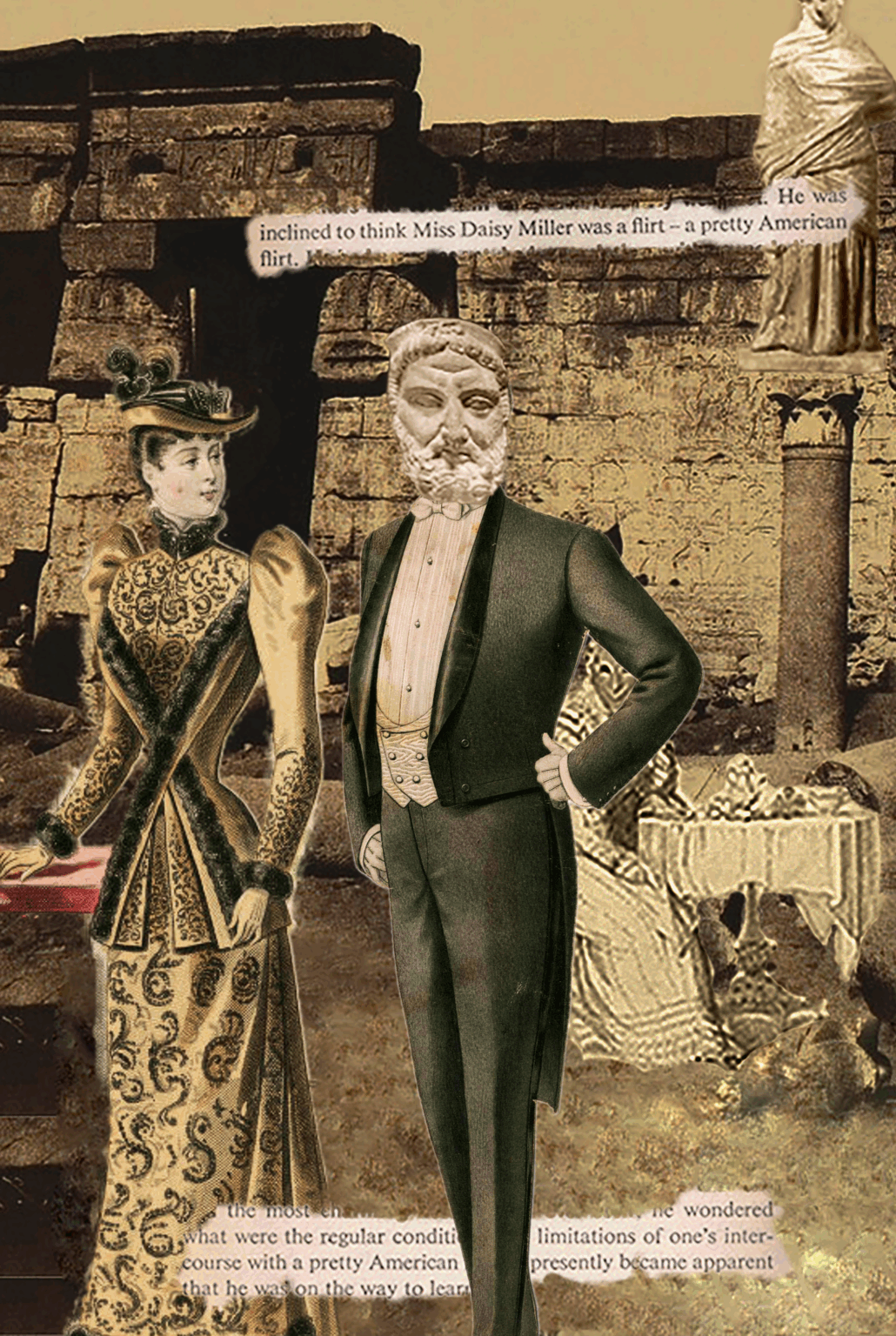
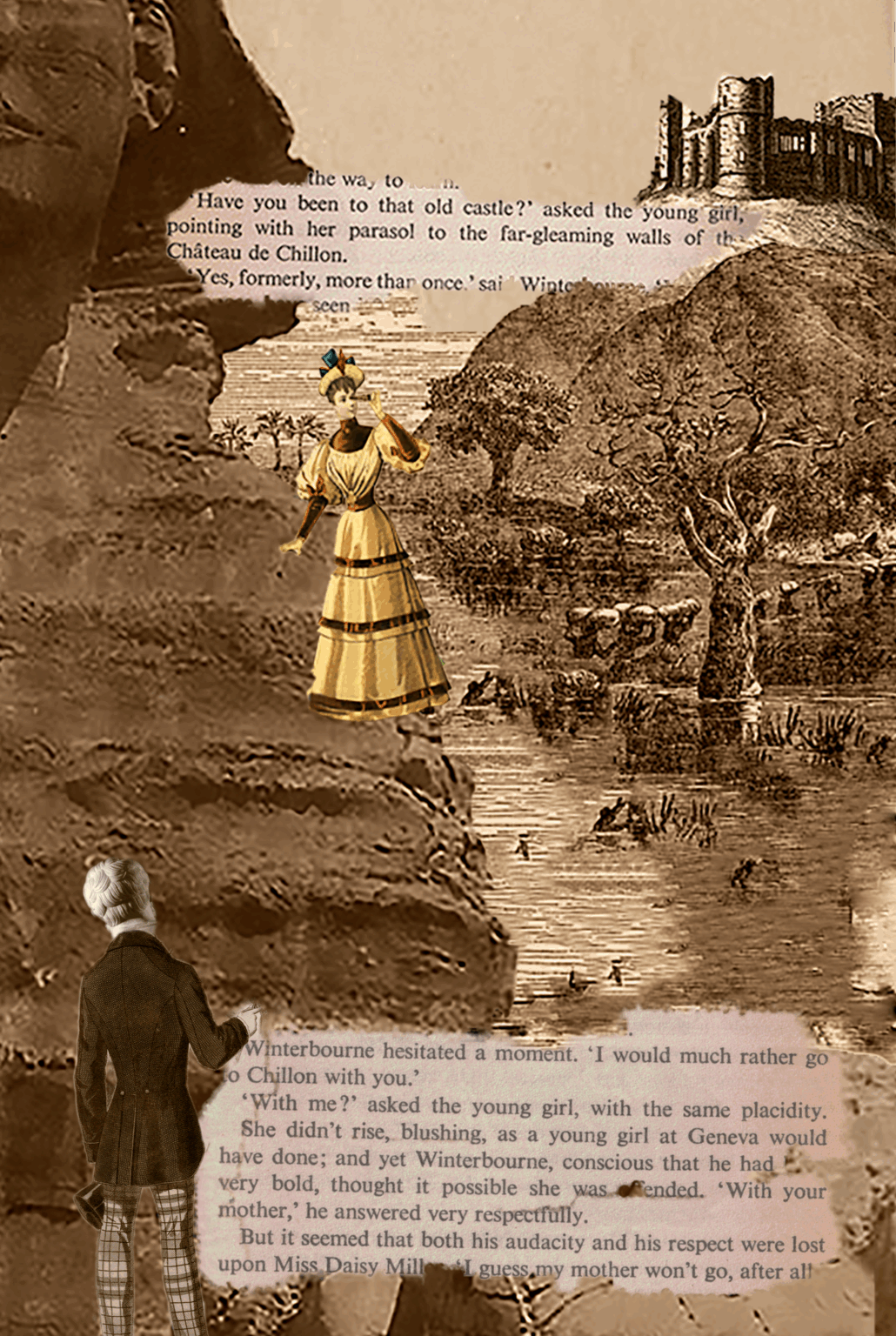
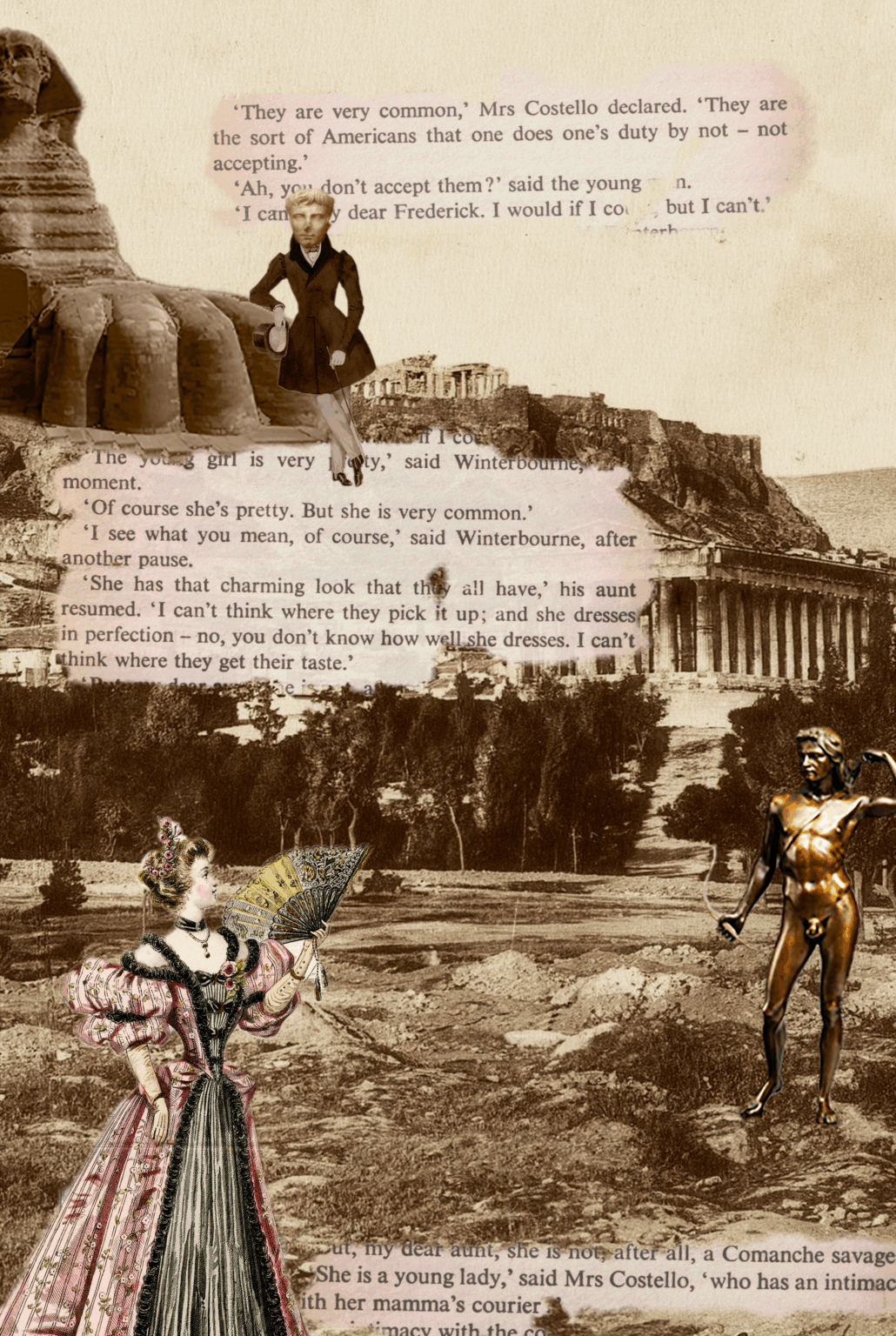
While over 100 years old, the novella is still deeply relatable: Daisy dies raging against the conformity expected of her, while Winterbourne gives up on his freedom in favor of stability. Collage seemed the perfect medium to express this uncomfortable juxtaposition of the old and the new, the free and the caged.
I’ll finish it one day.
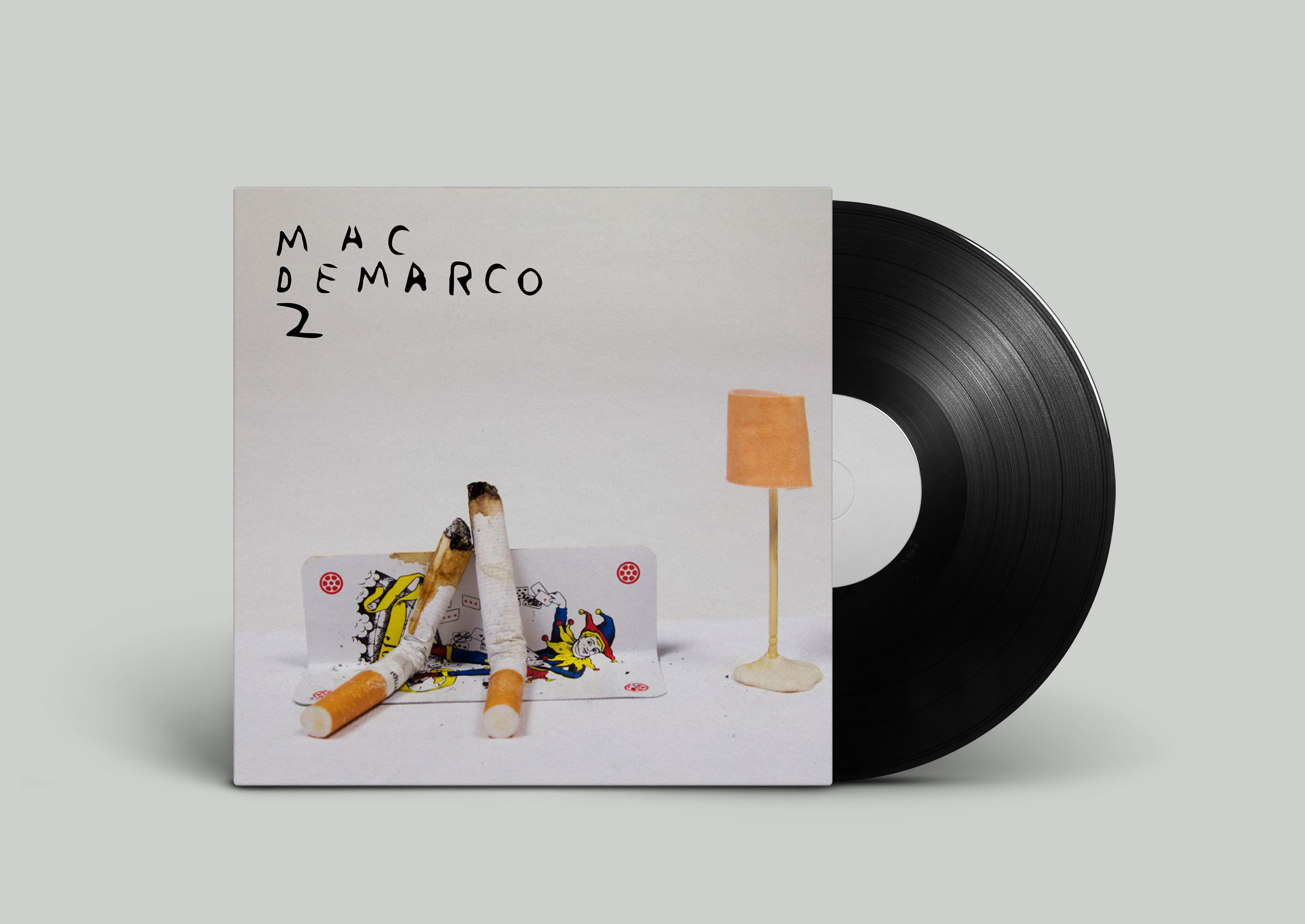
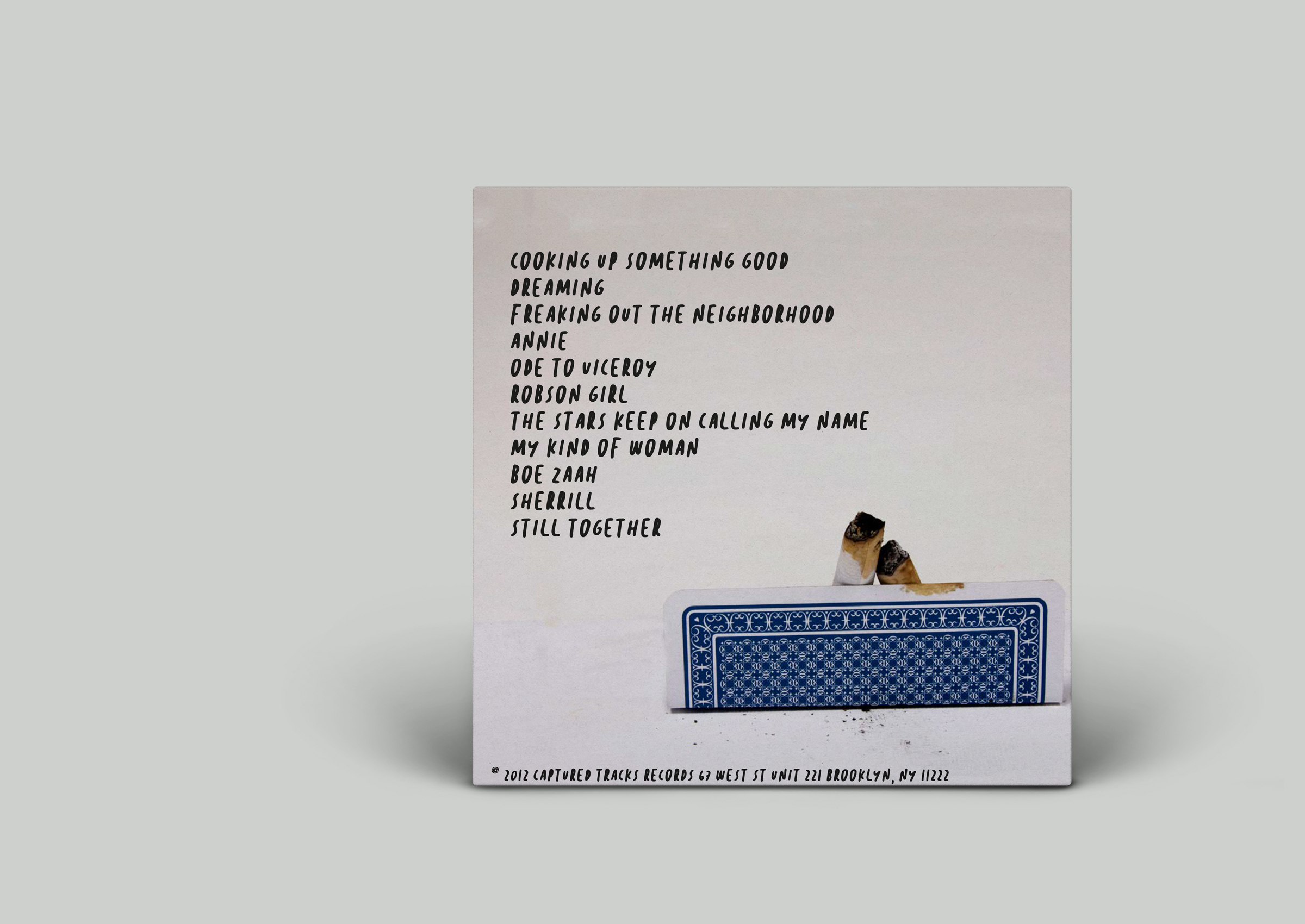
listen closely to “2”, mac demarco’s first full-length album, and you’ll find that behind the lilting psychedelic guitar and gap-toothed smile, he is detailing an at-once familiar and deeply personal picture of adolescence. he bounces effortlessly between themes, from worrying about worrying his parents to deep, guileless love, to that feeling that life has more in store for him. this album cover was created to reflect that, using dirty and classically teenage objects to create an affectionate and earnest moment.
in his 1842 dramatic monologue “my last duchess”, robert browning writes in the voice of an obsessive duke showing a visitor a painting of his last wife. as it goes on, it grows more comfortable in its true form, a terrifying study in jealousy, power, and the unseen. i tried to capture that in this shadow play, underscored by erik satie’s haunting “gnosienne no.4” to match the poem’s slow, inevitable violence.
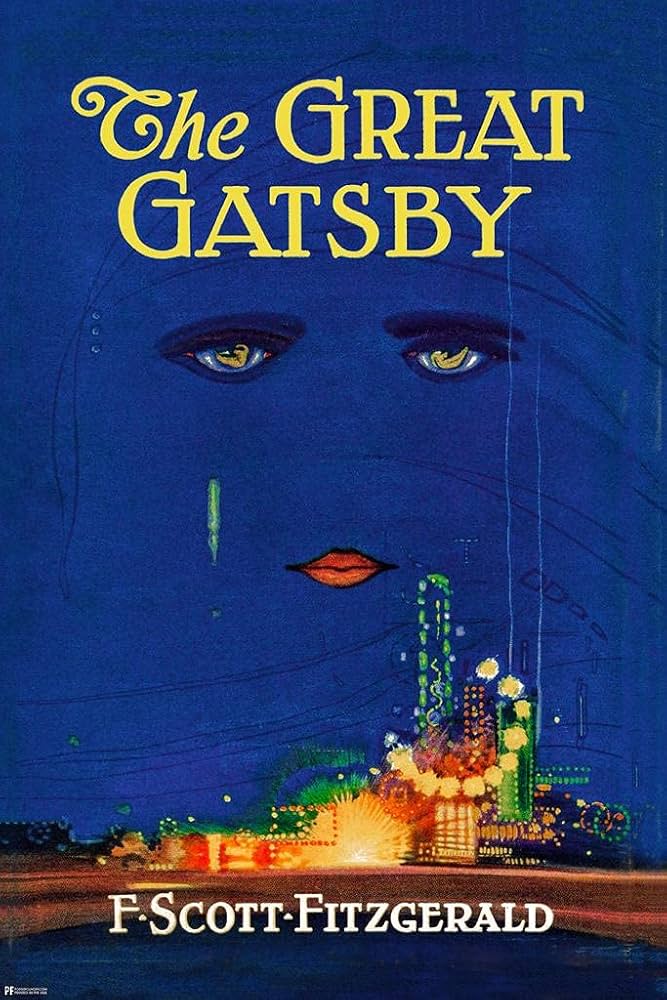
OK, this is kind of embarrassing. I feel like my favorite novel should be something obscure and sexy by someone French or Japanese, but instead it’s this. I know it’s the book that every high schooler studies, the most obvious choice ever, but…
IT’S, LIKE, BASICALLY PERFECT.
Anyway I made a big interactive PDF thing for an adaptation of the play. It’s a little buggy but it works and there’s some interesting stuff in there.
nobody read it at the time, obviously.
download the pdf here! (the interactive stuff only works in adobe Acrobat)
my first experience designing costumes was for a hypothetical production of camille saint-saëns’ posthumously-released suite the carnival of the animals, a collection of short, animal-themed pieces, complete with ogden nash’s silly interstitial poems read by a narrator. like the best children’s media, this series has plenty for adults to enjoy as well, and i wanted to capture that in my designs, focusing on recognizable characters and conflicts within each piece.
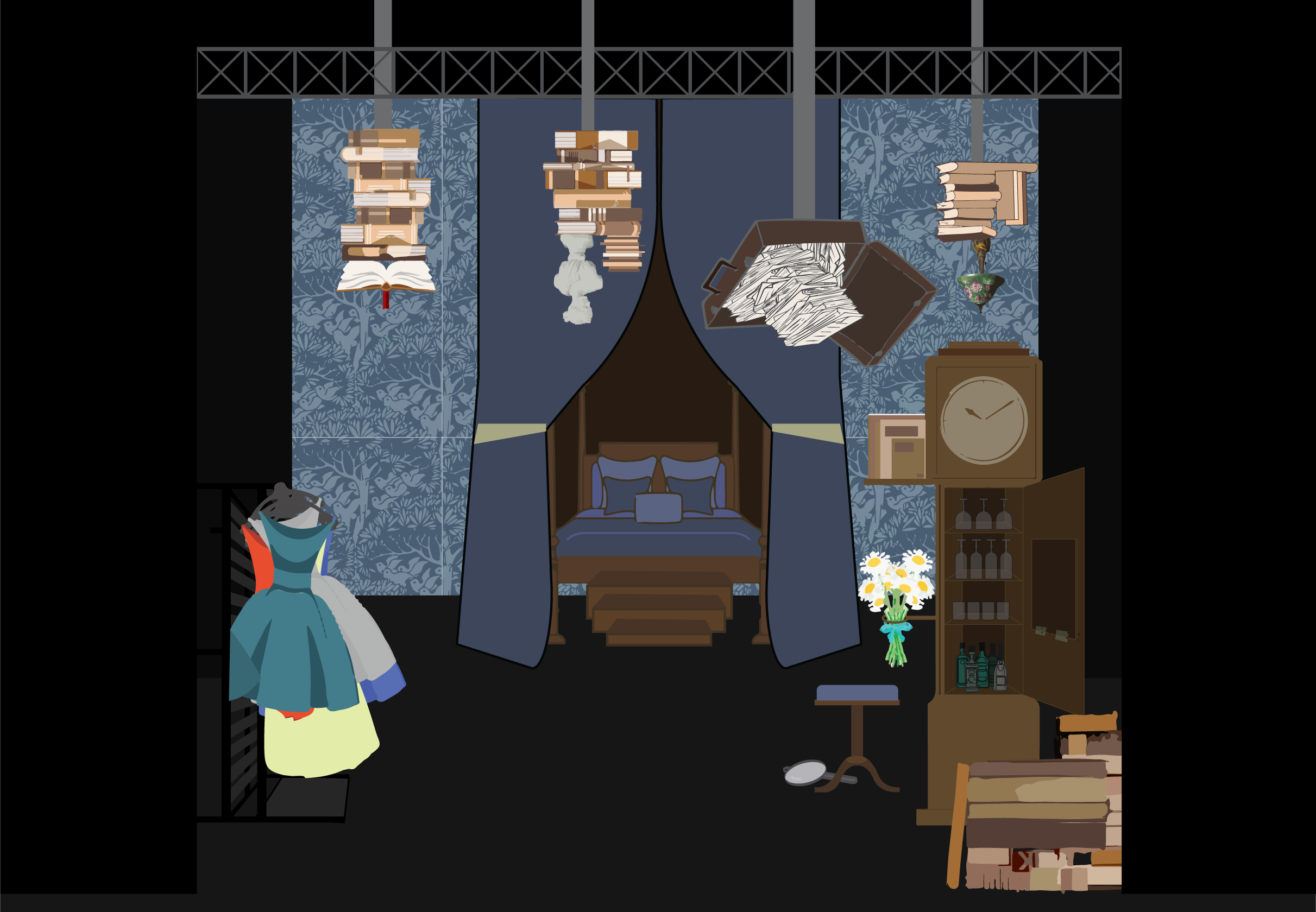
written in 1931, but only produced after his death, when five years pass is one of lorca’s most surreal plays. it explores the inescapable cycles of desire, memory, and metaphor through a story of a young man whose old love is not how he remembers her, and his interactions with personified facets of both himself and her.
the design centered around ideas of surprising but organically-uncovered set pieces, unfolding and merging the way images do in a dream.
take back the rains is a plan for a state-wide water rights awareness campaign to expose the stealing of our natural resources to be sold back to us.
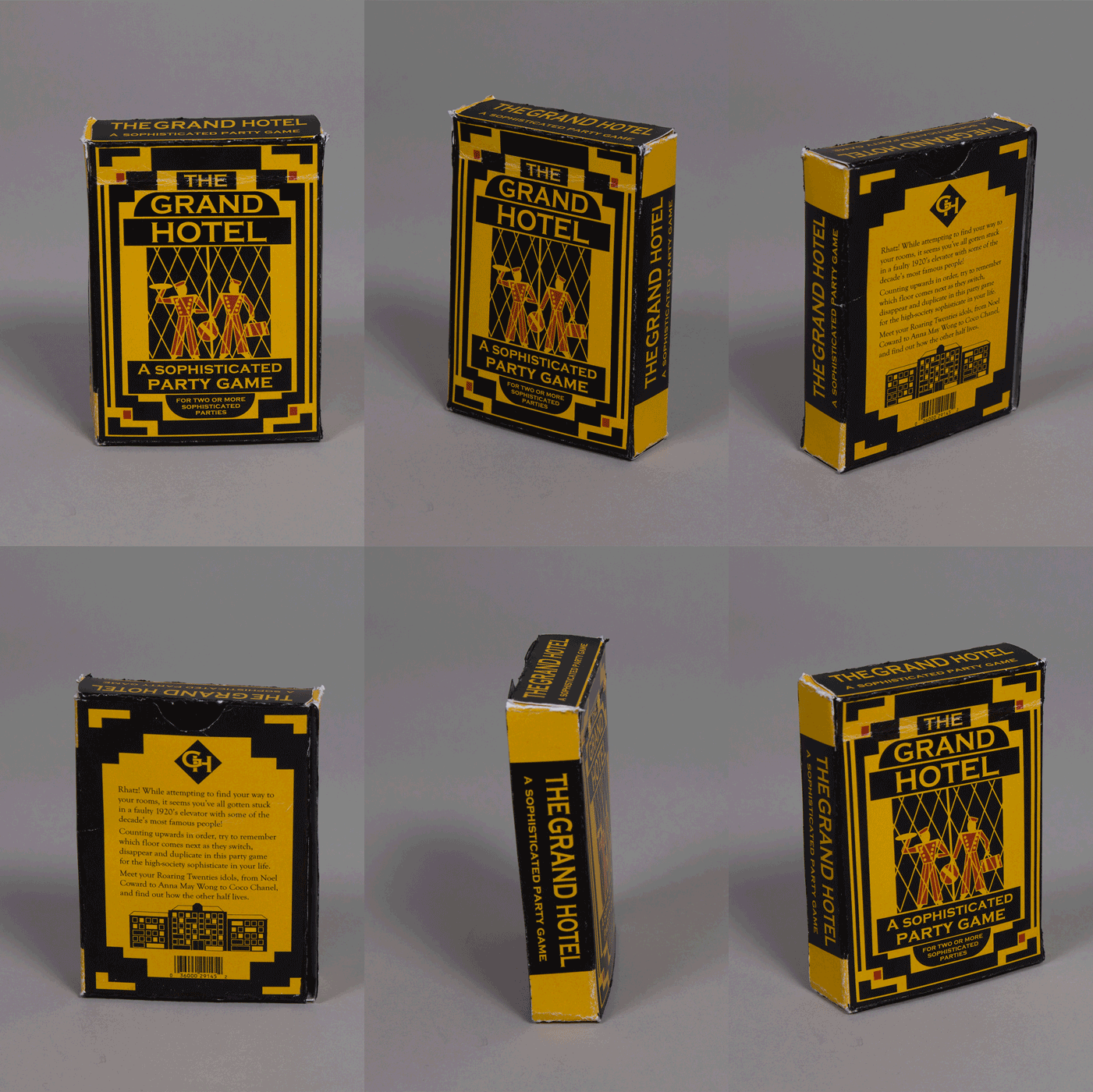
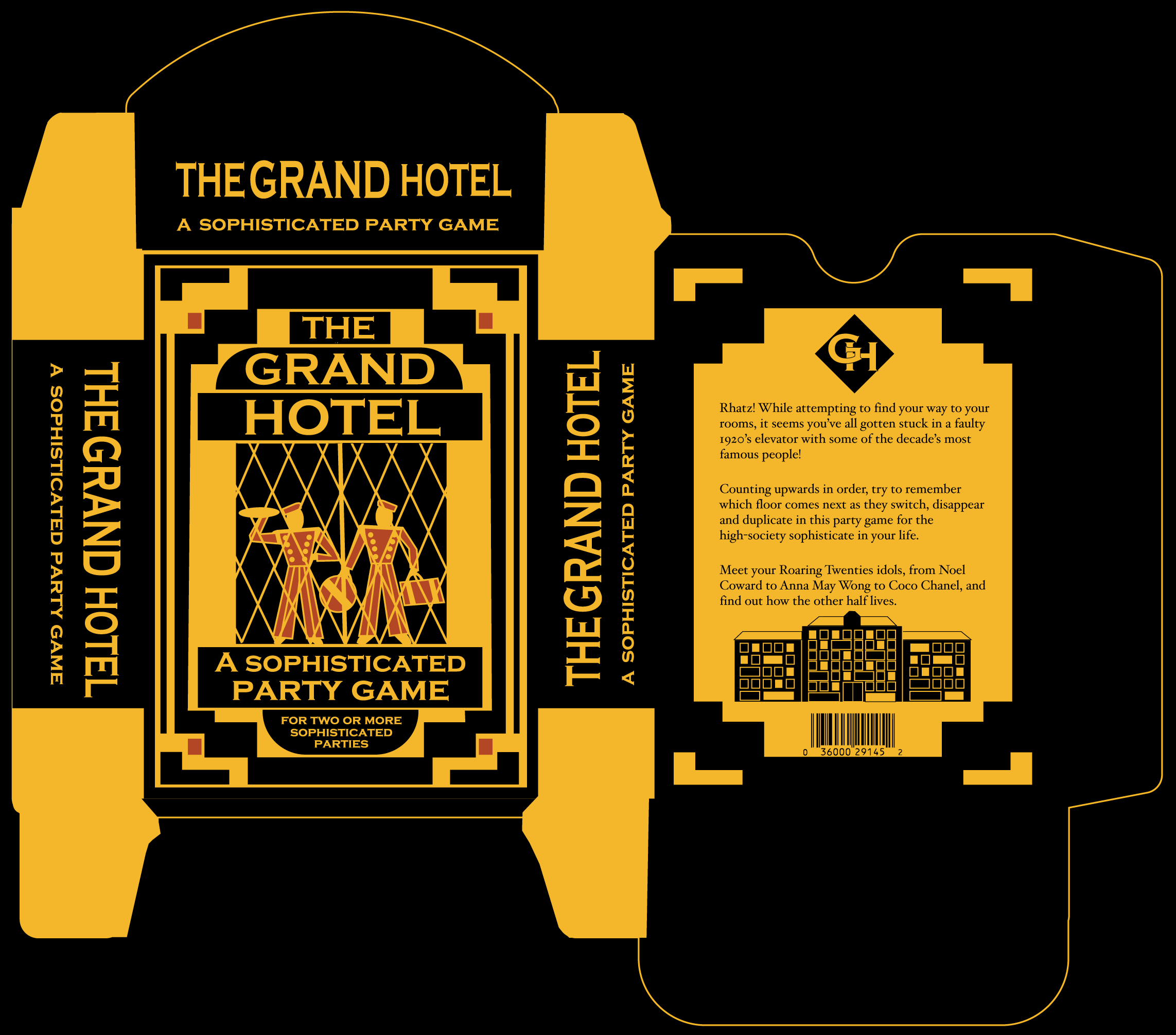
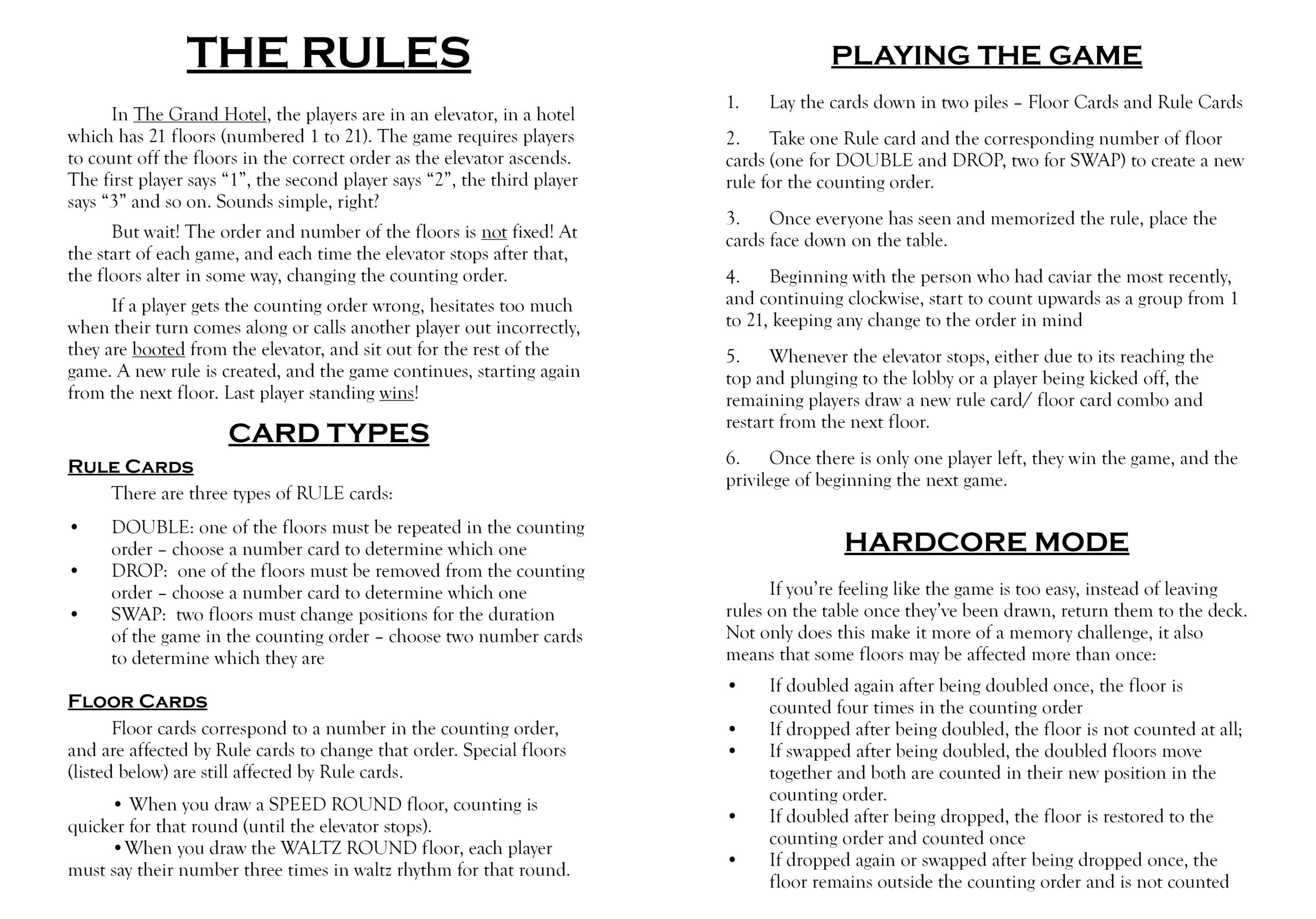
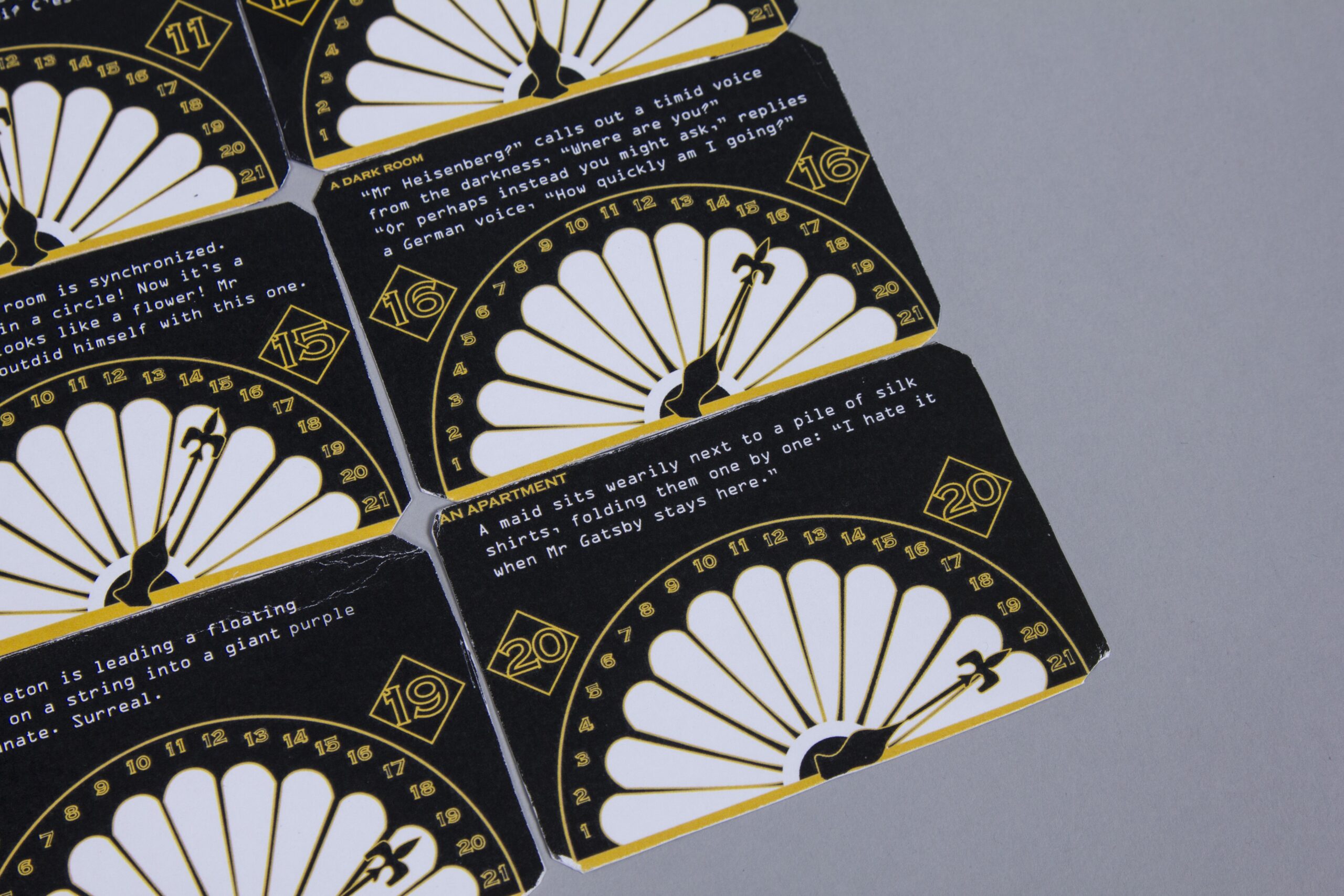
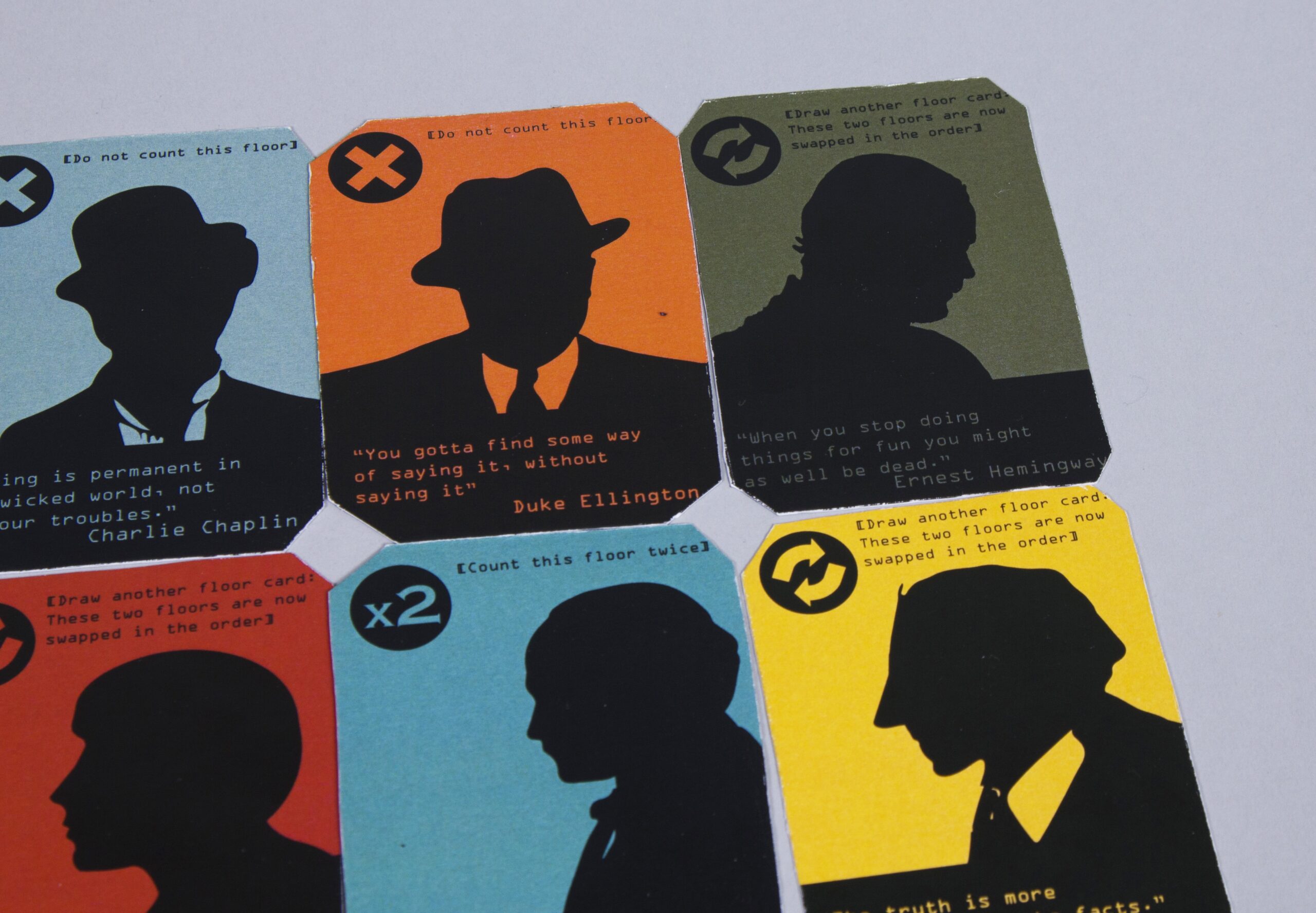
the grand hotel was an independent project designed and produced alone as a solo entry to the d&ad new blood awards’ hasbro brief, which asked for a party game for millennials based on an existing game.
inspired by a drinking game and my love for the roaring 20’s, i created a luxurious, witty art deco styled card game for two or more people, printed a rough but fully playable pack, and wrote/recorded/edited a rough silly advert for it.
Blood Wedding is a folk tragedy in three acts by Federico García Lorca, first produced as Bodas de Sangre in 1933. Langston Hughes wrote his translation around 1937, but it was not produced until 1992, sitting in archives for over 50 years.
In the below document, I propose a production of Hughes’ richly poetic translation at 26501 McBean Parkway, an unused lot in modern Santa Clarita, on the ancestral land of the Tataviam and Chumash tribes.

Dynamic Change Consultants (Design and Copy)
dcc.com
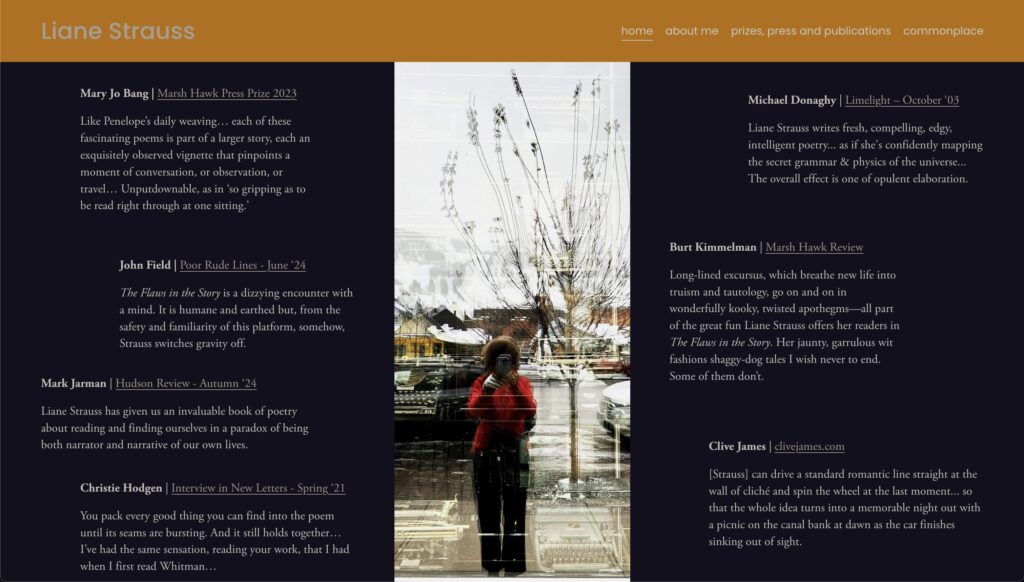
liane strauss – poet and writer
lianestrauss.com
I’m putting together a book of bad reviews received by great (Western) artists before they were famous, the kind that others might have taken as a sign to give up on their art.
“I haven’t any right to criticize books, and I don’t do it except when I hate them. I often want to criticize Jane Austen, but her books madden me so that I can’t conceal my frenzy from the reader; and therefore I have to stop every time I begin. Everytime [sic] I read ‘Pride and Prejudice’ I want to dig her up and beat her over the skull with her own shin-bone.”
– Mark Twain
“Liszt’s orchestral music is an insult to art. It is gaudy musical harlotry, savage and incoherent bellowings.”
– Boston Gazette
“As to Hemingway, I read him for the first time in the early ‘forties, something about bells, balls and bulls, and loathed it.”
– Vladimir Nabokov
“Morrissey sometimes brings out records with the greatest titles in the world which, somewhere along the line, he neglects to write songs for.”
– Elvis Costello
I’m the editor of the SubStack How To Read A Poem : A Love Story by poet and literature professor Dr. Liane Strauss, and have done some freelance editing in the past.
While the majority of my work at Wireforks was auxiliary (and therefore hard to show off on a portfolio website), these taglines, invoking first effortless style and then ancient wisdom, were my first foray into writing copy independently. Each was published in a number of national and international salon industry magazines.
Of course, almost a decade later, I have notes for past me. But I know changing it now would be cheating, so…

the most traditional innovation in the world.

historically timeless, eternally peerless.
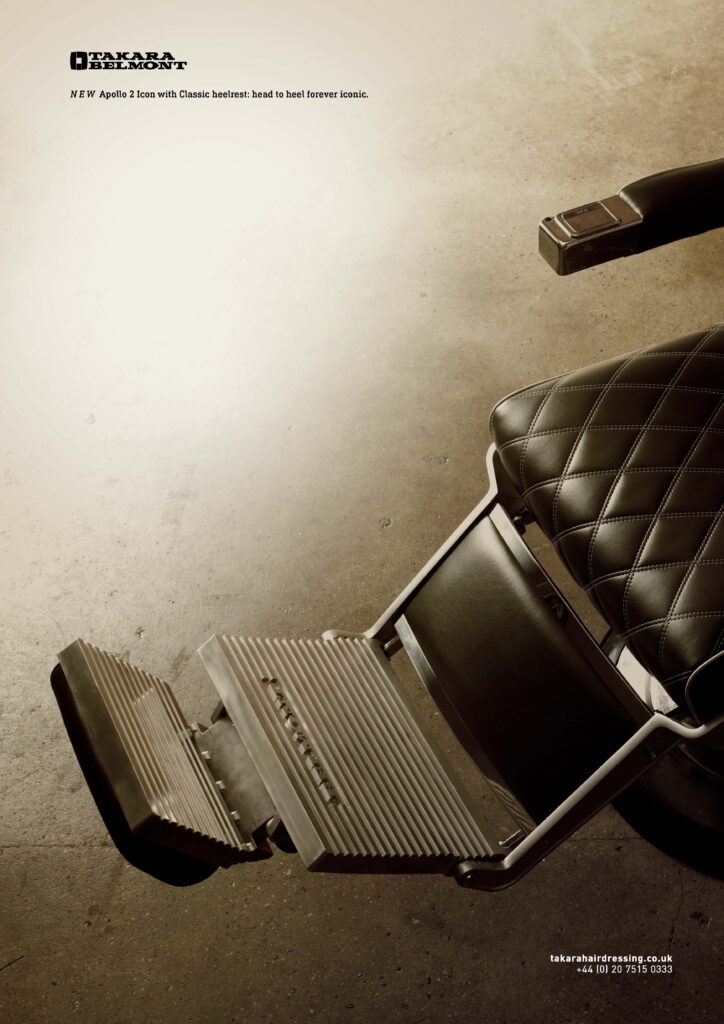
head to heel forever iconic.
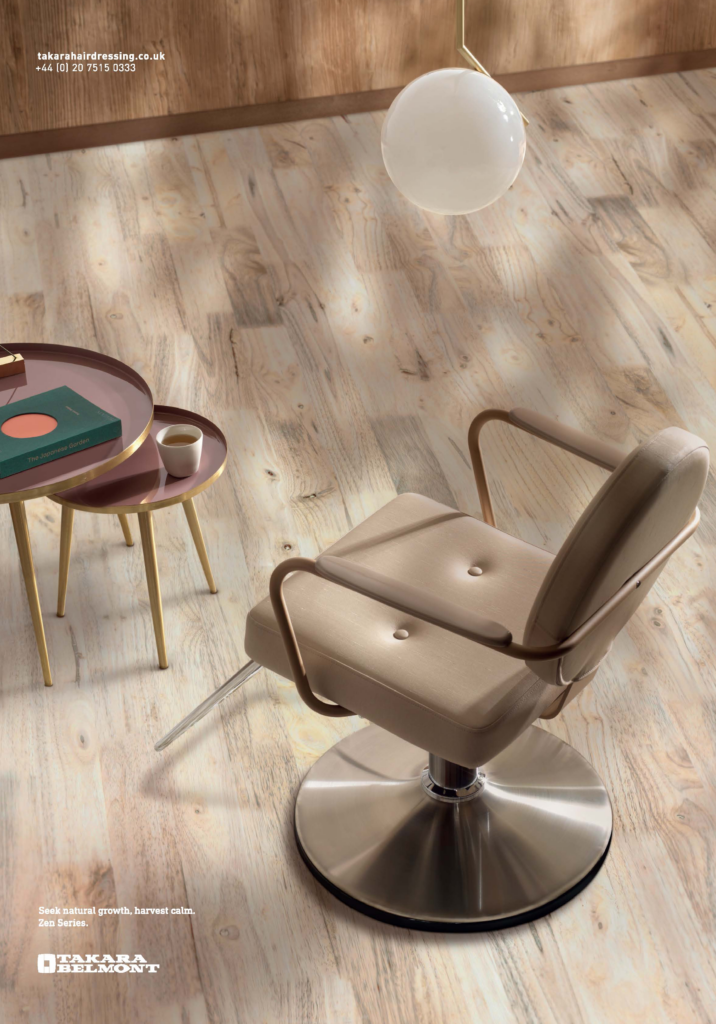
Zen Series
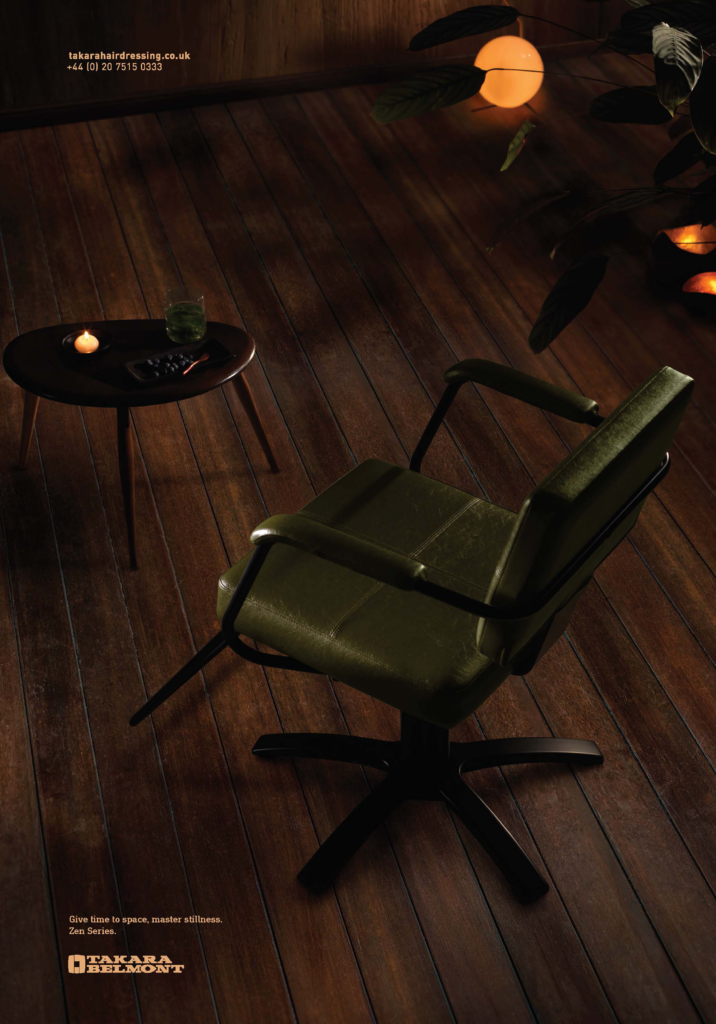
Zen Series
As part of my job as a Junior Creative at Wireforks (a boutique design firm in East London), I researched and wrote supplemental essays for a collection of posters aimed at children/young adults, which detailed the histories of various objects.

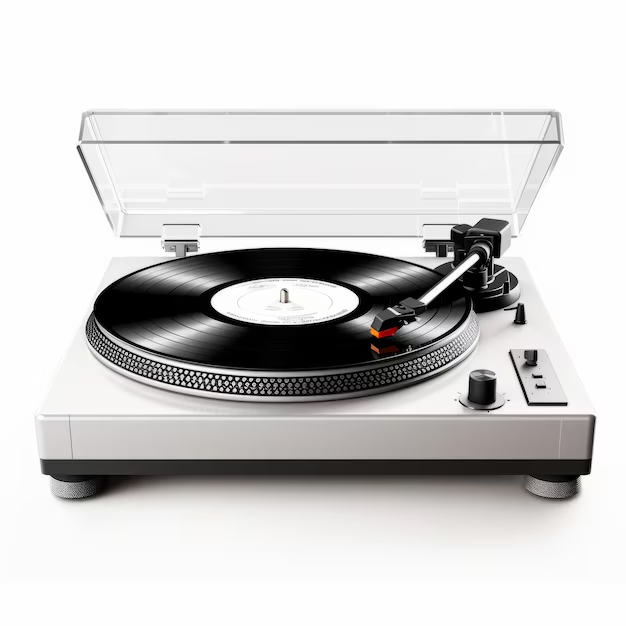
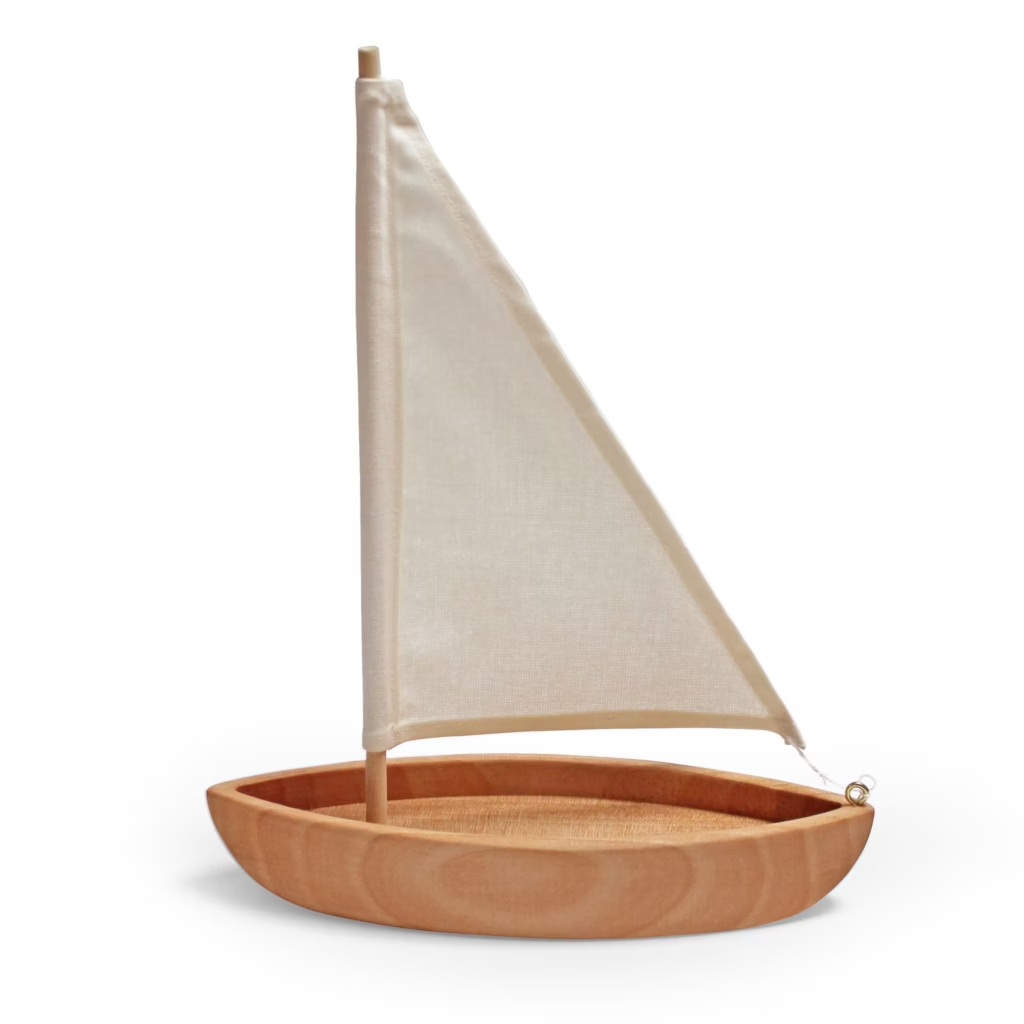






the grand hotel was an independent project designed and produced alone as a solo entry to the d&ad new blood awards’ hasbro brief, which asked for a party game for millennials based on an existing game.
inspired by a drinking game and my love for the roaring 20’s, i created a luxurious, witty art deco styled card game for two or more people, printed a rough but fully playable pack, and wrote/recorded/edited a rough silly advert for it.
OK, this is kind of embarrassing. I feel like my favorite novel should be something obscure and sexy by someone French or Japanese, but instead it’s this. I know it’s the book that every high schooler studies, the most obvious choice ever, but…
IT’S, LIKE, BASICALLY PERFECT.
Anyway I made a big interactive PDF thing for an adaptation of the play. It’s a little buggy but it works and there’s some interesting stuff in there.
nobody read it at the time, obviously.
download the pdf here! (the interactive stuff only works in adobe Acrobat)
take back the rains is a plan for a state-wide water rights awareness campaign to expose the stealing of our natural resources to be sold back to us.
Hamlet… IN SPACE!
In his book, Theater of the Unimpressed, Jordan Tannahill coins a term: Museum Theater, which he defines as “productions of plays that are content to simply be relics from the past. History lessons…, the killing and stuffing of once-mighty plays into theatrical taxidermy”. Broadway spits out another production of Glengarry Glen Ross, The Crucible, and Who’s Afraid of Virginia Woolf? like clockwork every few years, while across the pond the Globe Theater in London was directly conceived as a kind of theater museum, a place where today’s audiences could experience Shakespeare’s work as it was experienced at the time. A 2016 revival of My Fair Lady at the Sydney Opera House (directed by Julie Andrews herself) went so far as to exactly replicate the original’s production design from sets to costumes to lighting.
In response to criticism of this kind of theater a variation upon it has emerged, as the savvier artistic directors and producers search for a middle ground between the critical mandate for new and innovative theater and the financial security of known IPs. (It’s perhaps worth noting that the aforementioned production of My Fair Lady sold more tickets than any other in the history of the Sydney Opera House.)
I call this kind of production Hamlet in Space, named for the dialogue I imagine as its genesis:
ARTISTIC DIRECTOR
We need one more production to round out this season.
PRODUCER
Hmmm… We haven’t got a Shakespeare yet.
ARTISTIC DIRECTOR
Okay, what about… Cymbeline?
PRODUCER
Nobody’s heard of Cymbeline. Josh O’Connor’s not gonna play Cymbeline.
ARTISTIC DIRECTOR
He’s too young to- Okay fine, what about The Merchant of V- actually now’s probably not the time, is it?
PRODUCER
How about Hamlet? Everybody loves Hamlet.
ARTISTIC DIRECTOR
Ooh, and Josh O’Connor should definitely play Hamlet. But I don’t have any ideas for a production of Hamlet. And we can’t just do a straight production of it, everyone does that. Our subscribers expect more interesting work from *THEATER COMPANY REDACTED*.
A long pause.
PRODUCER
What about Hamlet… in SPACE?
ARTISTIC DIRECTOR
Hmmm. That could be interesting… Something about isolation, and being separate from the real world, looking down at it… Still, I’m not sure it totally works. Let me think-
PRODUCER
Huh? What are you saying? Whatever, I just sent out the email: Hamlet in Space opens in 3 months. Oh, and Josh is filming a movie for two of them. Good luck!
In other words, Hamlet in Space refers to a new production or adaptation of a recognizable text written more than… let’s say 50 years ago or so, with something unique (and, more importantly, marketable) stapled to its forehead.
a. A strikingly different setting, whether location or era based (sometimes as a framing device, sometimes as the entire production).
Macbeth in WW2; Othello in 2000s Iraq; Ubu Roi presented as the adolescent daydreams of an angry French teen whose parents are having a dinner party.
b. A compelling visual and/or theatrical style.
A Midsummer Night’s Dream with circus performers; A Doll’s House with no props; The Tempest but Ariel is on a screen.
c. An unorthodox casting choice, which usually involves either gender-bending, race-bending or character doubling. (Celebrity casting alone doesn’t count.)
Uncle Vanya but everyone is Andrew Scott; The Tempest but it’s Sigourney Weaver playing ProsperA; Death of a Salesman but they’re a black family.
d. A modern reimagining by a contemporary playwright that has something to say about the original property. (West Side Story doesn’t count, but & Juliet does.)
Fat Ham, A Tempest, A Doll’s House Part Two, John Proctor is the Villain
e. A combination of the above.
I should also clarify that, just as setting your production of Hamlet in space doesn’t automatically make the production a Hamlet in Space, just because a production fits into the genre of Hamlet in Space, does not mean it’s going to be bad. There’s nothing inherently wrong with any of these approaches to theater-making, and in fact some of the examples listed represent the best theater I’ve ever seen. The problem is a growing tendency for productions to be devised concept-first, seemingly more worried about the poster than the production, and left with no time to explore or develop the concept and find out what, if anything, is underneath.
Take the 2025 production of The Picture of Dorian Gray for example, in which Sarah Snook played an astonishing 26 roles. Central to the production were a collection of moving screens, onto which were projected live feeds from onstage cameras as well as pre-recorded footage, all of which allowed Snook to play the narrator and all the characters in a retelling of Oscar Wilde’s only novel, The Picture of Dorian Gray. I mention the narrator because, though they appear relatively rarely, they are the character with which the production begins and ends. They also represent the central problem with the production.
Let’s back up a bit: what is The Picture of Dorian Gray about? Well, plot-wise, it’s a story about a beautiful young man in 19th-century England who, upon seeing a finished portrait of himself, declares that he would sell his soul if he could stay as young and beautiful as he is now and the painting would age in his stead. His wish is granted, and he lives an immoral and hedonistic life for decades, with the only fallout the aging and scarring of the portrait he keeps locked away from view. There’s a bunch of plot after that but all you really need to know is he fucks up a bunch of people’s lives, murders the painter with a knife so he can’t tell everyone his secret, and eventually stabs the painting with the same knife. When his servants enter the room, they find the body of an impossibly old man with a knife through his heart, in front of a painting of a beautiful young man, totally intact. Good, right?
Now back to the narrator: the narrator is the first person to talk to us, setting the stage with the first lines of the novel. They are clearly very excited, almost breathless, to tell us this story. Soon the telling is being done by the characters Snook is playing (or at least by the narrator dressed as whichever character she was playing last), and Snook as the narrator is relegated to occasionally appearing on-screen to do this shtick where they think the next section of narration is their line but so does the Snook on stage, and they argue about it. (This happens twice, if I remember correctly.) Otherwise, their only other appearance is in the final moment of the play: after still-breathlessly reciting the final lines of the novel, they inhale as if to keep talking and are immediately silenced by a blackout.
In Wilde’s original text, the story is relayed to us by an omniscient narrator. Novels, particularly those written in the 19th century, are often narrated by an all-seeing eye with no clear stakes in the action of the story; to question this is almost like questioning why a novel is written in paragraphs. Narrators in theater are much more complicated. When a play has a narrator, the world of the play is made fundamentally less real. Narrators talk to the audience, and define the plot as a story being told to us rather than a situation unfolding before us. A living, breathing narrator implies a living, breathing motive: Why are they telling us this story? What does it do for them, and why do they need us to hear it? The reason can be grandiose or minor, altruistic or selfish — In Our Town, The Stage Manager wants to explain something about life and death, about America and collective memory; in The Drowsy Chaperone, Man in Chair is sharing his favorite musical with us as a way to keep his memories alive; in Brighton Beach Memoirs, Eugene is simply a talkative and imaginative kid with little to no recognition of what he should and shouldn’t say to people.
Dorian Gray retained the narrator from the novel, but didn’t reckon with the fact that doing so added a whole new character to the story, one that I would argue has the deepest internal life of any of them. The production used doubling and on-stage quick changes to stylishly conjure each new character, but didn’t consider how an audience would experience them as all being played by a single person and, more importantly, that it would want to know why.
I want to be clear: I was incredibly impressed by this production both in terms of the technical complexity and Snook’s powerhouse performance. Seriously, the woman is amazing, and the uses of video ranged from delightful to outright astonishing. But there’s a difference between impressive and effective. And that tends to be the big issue with a Hamlet in Space: it’s often the result of dozens of majorly talented people doing truly excellent work. But when that work is in service of a half-baked idea, there’s no amount of talent that can bake it whole.
Now, we’ve gone over what Dorian Gray is about, but what’s it about about? Vanity? Morality? Homoeroticism? A different theme that isn’t listed on the Wikipedia page? Kip Williams, the production’s writer and director, says that his Dorian Gray is about “gender, […] sexuality, [and] the performance of identity”. But, beyond the choice to cast a female actor as all the characters in a story populated mostly by men (and I guess just the fact of Oscar Wilde’s queerness?), I really don’t see how the production could be read that way.
We’re back in the land of conjecture here, but in my mind it went more like this:
*ring ring*
PRODUCER
Hey, you’re the director who uses screens and video footage, right? What’s something you could adapt with a lot of screens? Preferably something that can be worked on during COVID, because as you know it is the year 2020.
KIP WILLIAMS
Yeah, we’re probably gonna want to do something with one unmasked actor and a bunch of masked stagehands if we want to rehearse properly while still social distancing…
PRODUCER
Right, exactly. Screens, one actor… something about self-obsession?
KIP WILLIAMS
I mean, I’ve always loved The Picture of Dorian Gray. Haven’t read it in a while, but-
PRODUCER
Perfect! That’s sorted.
KIP WILLIAMS
But I mean, I’m not sure if-
*dial tone*
Dorian Gray’s fatal flaw is his vanity, the belief that his beauty, and therefore he, is superior to all others. This production seems to equate vanity with self-obsession, in an attempt to draw out the kind of Black Mirror-esque themes that every modern artwork has to comment on, criticizing the rampant overuse of photo editing and how the ubiquity of screens stokes the fires of our modern self-worship, et cetera, et cetera. But Gray’s vanity is less the constant preening self-attention of an Instagram model than it is the entitlement to do anything he feels like, bolstered by a perceived superiority that, yes, derives from his external beauty.
Furthermore, the self-obsession implied by a one-actor production, like that implied by a narrator, is of a third kind, that of the know-it-all, either because they are actually omniscient or just believe they are. And there’s the rub: people who know everything make really boring characters, especially when there’s nobody and nothing there to confound this certainty. At the end of the play we have watched someone pour themselves into the performance of this story over two hours, playing all these characters with this seemingly boundless energy… But why? They’re the only quote-unquote “real” person there, the one telling us this story, the only one who we can imagine will still be there when the lights go off. The other characters are puppets: they disappear when the narrator removes their costume, placed back in their box for next time. But here is the costume they cannot take off, the version of themself who started this whole mess, who has decided to tell us this story even as it seems to drive them to a kind of insanity. They’re the only one who transcends their identity as “a character” to become a whole person that we might relate to, but they seem to have been given the least amount of thought. And this is to me what happens when a production puts the cart before the horse, under-thinking a concept into a gimmick — “What if Hamlet but… in space?”
Why does this happen? Well, no prizes for guessing what I think if you know me: it’s capitalism! Sorry, I know, I know. But it’s true: the simple fact is that theater, like any other art, is best conceived through process, allowing for discoveries and complications, tangents and dead ends. Art at its most effective, like life at its most profound, is found in the in-between, in the unique process of its incidence; it can’t be rushed or pre-planned; this is what can make it so expensive, but also what makes it human. Hamlets in Space, though sometimes invigorated by some singular talent in the cast or crew, are fundamentally inhuman products, not so much process as processed, built for purpose and designed for efficiency.
Think of it like a handcrafted bookshelf versus one from IKEA. The IKEA piece is cheaper, lighter to carry, quicker to build (even if you always end up with some extra screws and bolts you’re not sure where to put). If that’s all you can afford, it certainly does its job. But at the end of the day you’ll be left with something flimsy and impersonal that doesn’t really fit with or add to what’s around it, and no way to keep the damn thing from wobbling.
an inflammatorily-titled, less-long discussion of how art that makes you think before it makes you feel is more criticism than art.
an in-depth exploration of how mainstream theater performs its progress on stage with “race-blind” casting, while still allowing creative control to remain majority white, and how their risk-aversion is arresting not only societal but artistic advancement. exploring topics from laurence olivier’s baffling 1965 performance as othello (and pauline kael’s equally baffling rave review), to daniel fish’s 2019 production of “oklahoma”, and beyond!
a semi-fictionalized account of a summer i once spent in colorado, and a portrait of the more ambiguous and important relationships one can have in life, and then let go of. this was a completely individual project, written and illustrated by me alone. I think it turned out pretty good.
Dynamic Change Consultants (Design and Copy)
dcc.com
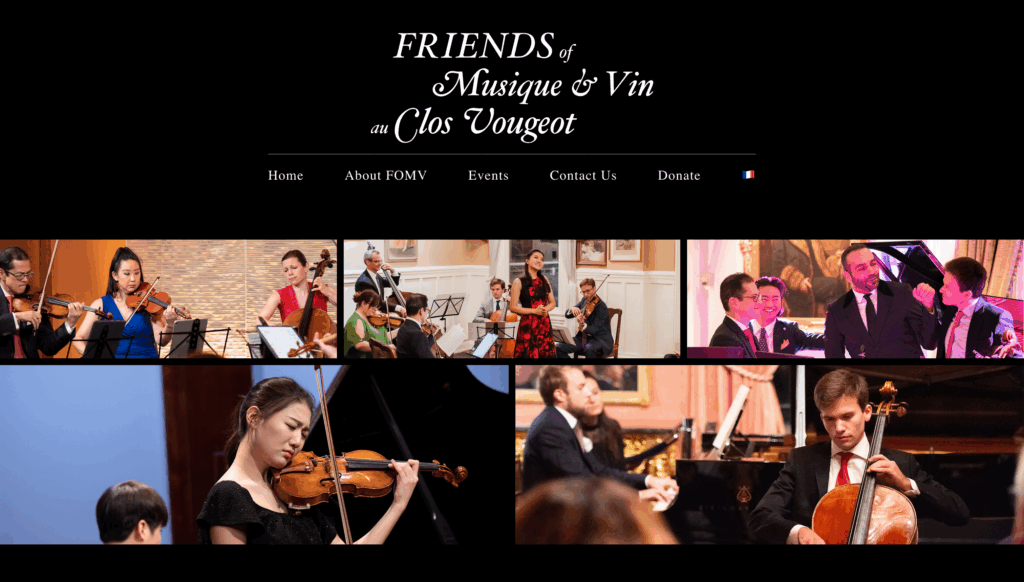
friends of musique et vin (Design)
fomv.org
liane strauss – poet and writer
lianestrauss.com
listen closely to “2”, mac demarco’s first full-length album, and you’ll find that behind the lilting psychedelic guitar and gap-toothed smile, he is detailing an at-once familiar and deeply personal picture of adolescence. he bounces effortlessly between themes, from worrying about worrying his parents to deep, guileless love, to that feeling that life has more in store for him. this album cover was created to reflect that, using dirty and classically teenage objects to create an affectionate and earnest moment.
take back the rains is a plan for a state-wide water rights awareness campaign to expose the stealing of our natural resources to be sold back to us.
the grand hotel was an independent project designed and produced alone as a solo entry to the d&ad new blood awards’ hasbro brief, which asked for a party game for millennials based on an existing game.
inspired by a drinking game and my love for the roaring 20’s, i created a luxurious, witty art deco styled card game for two or more people, printed a rough but fully playable pack, and wrote/recorded/edited a rough silly advert for it.
my first experience designing costumes was for a hypothetical production of camille saint-saëns’ posthumously-released suite the carnival of the animals, a collection of short, animal-themed pieces, complete with ogden nash’s silly interstitial poems read by a narrator. like the best children’s media, this series has plenty for adults to enjoy as well, and i wanted to capture that in my designs, focusing on recognizable characters and conflicts within each piece.
Henry James’ 1878 novella Daisy Miller – A Study in Two Parts is an example of James’ career-long struggle with his trans-Atlantic identity as a US-born Brit, and the tug-of-war between the promised freedom of America and the comfortable formality of Europe.
While over 100 years old, the novella is still deeply relatable: Daisy dies raging against the conformity expected of her, while Winterbourne gives up on his freedom in favor of stability. Collage seemed the perfect medium to express this uncomfortable juxtaposition of the old and the new, the free and the caged.
I’ll finish it one day.
a semi-fictionalized account of a summer i once spent in colorado, and a portrait of the more ambiguous and important relationships one can have in life, and then let go of. this was a completely individual project, written and illustrated by me alone. I think it turned out pretty good.
OK, this is kind of embarrassing. I feel like my favorite novel should be something obscure and sexy by someone French or Japanese, but instead it’s this. I know it’s the book that every high schooler studies, the most obvious choice ever, but…
IT’S, LIKE, BASICALLY PERFECT.
Anyway I made a big interactive PDF thing for an adaptation of the play. It’s a little buggy but it works and there’s some interesting stuff in there.
nobody read it at the time, obviously.
download the pdf here! (the interactive stuff only works in adobe Acrobat)